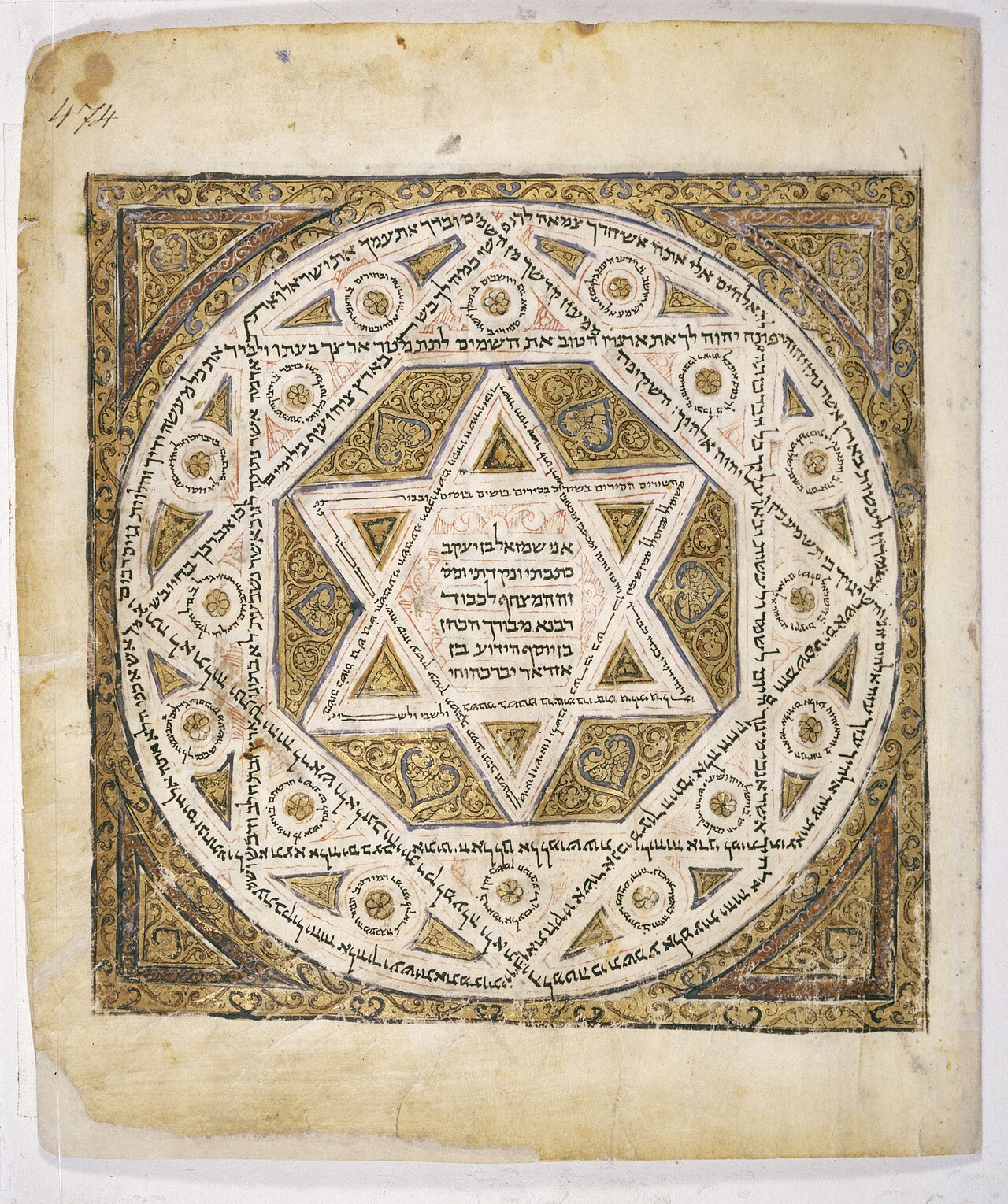
Abraham argues at Sodom.
Shall the judge of all the earth not do justice? He haggles God down from fifty righteous men to ten and stops there. Levi Yitzchak of Berditchev later put God on trial in Yiddish, and the tradition treats that as continuity rather than blasphemy.
Ten verses in Genesis establish that arguing with God is permitted, and Jewish practice has treated them as a licence ever since. Abraham is told what is about to happen to Sodom and immediately challenges the plan on grounds of justice: will you sweep away the righteous with the wicked, shall the judge of all the earth not do justice. He then bargains — fifty, forty-five, forty, thirty, twenty, ten — and God concedes every step. The rabbis noticed that he stopped at ten and did not ask about one, and have been uneasy about it for two thousand years. The line runs from here through Moses arguing after the golden calf, through Job, through Levi Yitzchak of Berditchev's Yiddish court case against God for the suffering of Jews, through Elie Wiesel's account of a trial of God held in a camp. The tradition distinguishes this from unbelief with some care: the complaint is addressed, which means it presupposes a listener.
Shall the judge of all the earth not do justice?
Genesis 18:25 (rendered)A man cross-examining God on the ethics of the plan, in the book's own words.
The same ground, other faiths
claims that share this one's ideasSign in to open the first thread. Everything here is attributed.