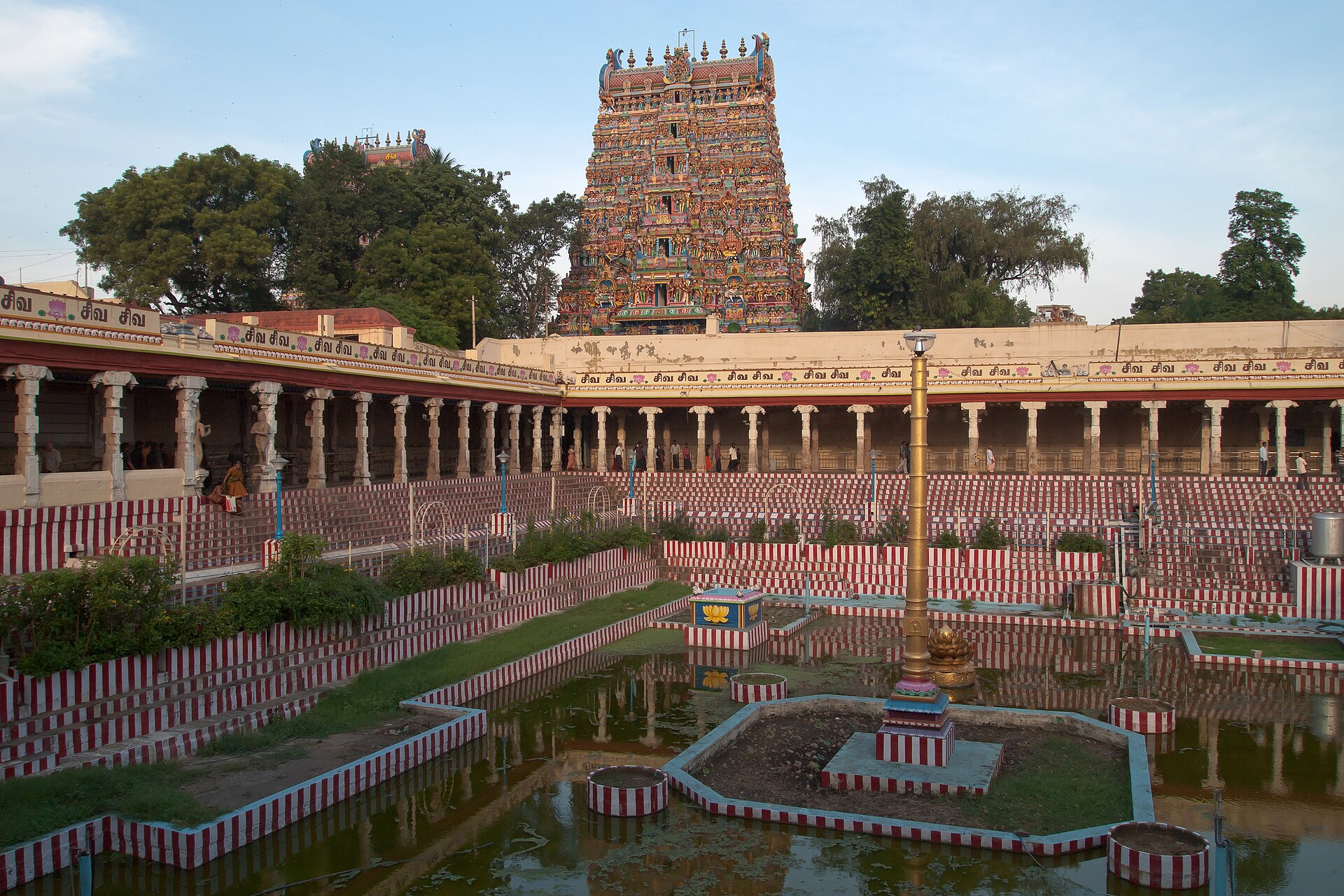
Meenakshi Temple gopuram, Madurai · Vyacheslav Argenberg · CC BY 4.0
ॐ

Hinduism

Tradition·Founding date unrecorded·est. ~1.2 billion worldwide

Vedic Religion → Hinduism → 8 branches

Branch
Precept of Hinduism

The guest is God.

Atithi devo bhava — the stranger at the door is treated as divinity arriving unannounced. Hospitality as theology, practiced at the household scale.

What it asksReceive the stranger as you would receive God — food first, questions later
Who it bindsThe household, especially the one with little to spare
Where it bitesIt is unconditional in the texts: the guest's worth, caste, and errand are explicitly not to be weighed
Understanding it — context, not catechism: how this passage is held

"Atithi devo bhava" comes from the Taittiriya Upanishad's graduation address, listed alongside "let your mother be a god to you" — the guest is placed in the same grammatical breath as parents and teachers. Atithi literally means "without a date": the one who arrives unannounced, whom you had no chance to prepare for. That is the point. The obligation is heaviest precisely when it is least convenient.

From the sources — the passages this rests on; concise renderings, cited

Let your mother be a god to you. Let your father be a god to you. Let your teacher be a god to you. Let your guest be a god to you.

Taittiriya Upanishad 1.11

The graduation charge — the guest listed with the parents.

The same ground, other faiths

claims that share this one's ideas
Work done in a spirit of service is worship. The Bahá'í Faith · core tenet Go deeper →
To serve is the religion. Haitian Vodou · core tenet Go deeper →
The alms round. Buddhism · rite Go deeper →
T The yakshis. Jainism · figure Meet them →
Repairing the world is human work. Judaism · core tenet Go deeper →

The conversation

argument stays attached to the claim it is about All discussion →

Sign in to open the first thread. Everything here is attributed.

Built on Hatchable