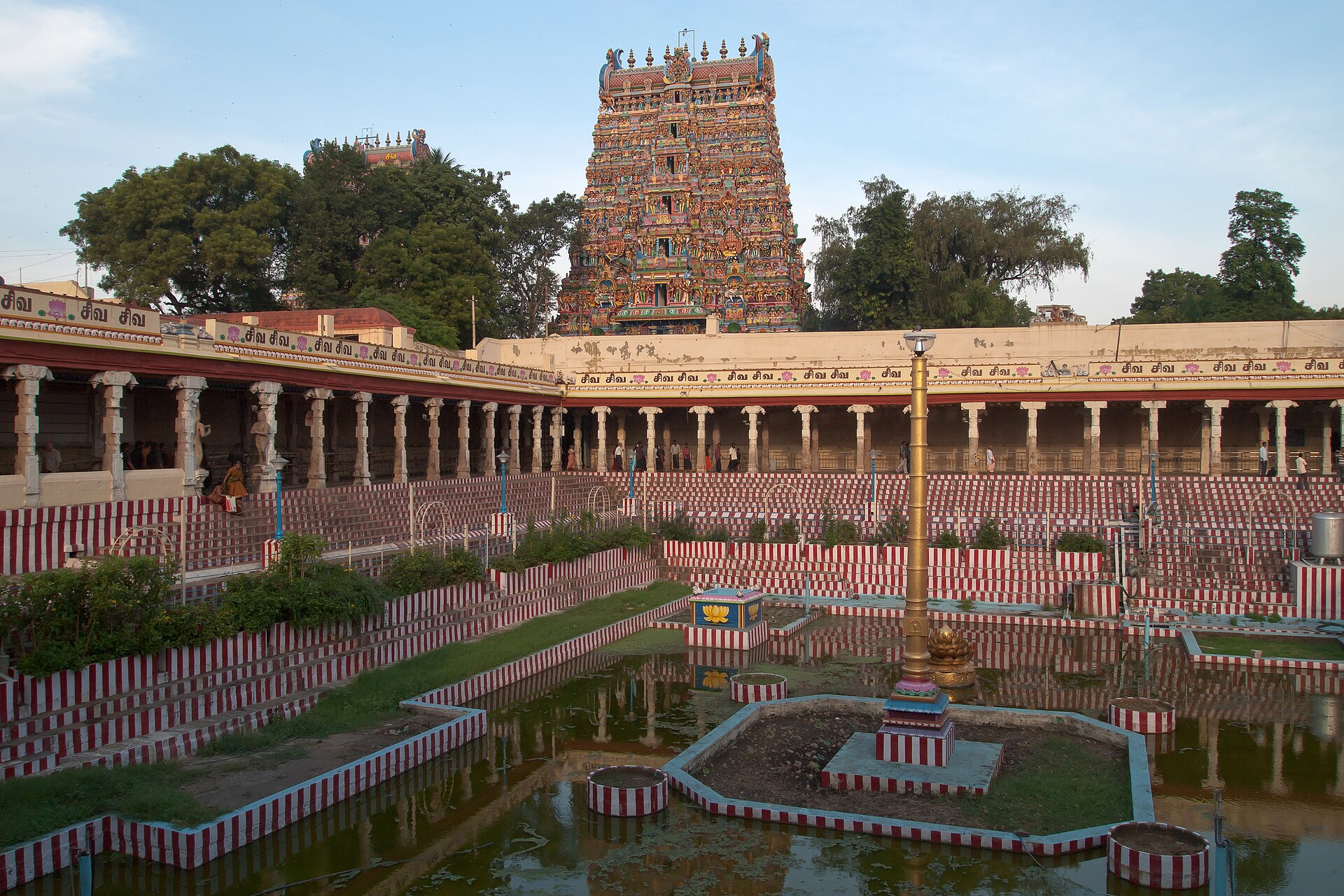
A family of paths sharing dharma, karma, and liberation — not a single creed.
Less a single religion than a family of traditions rooted in the Indian subcontinent — bound not by a founder or creed but by shared orbits: dharma, karma, rebirth, and liberation. It contains monists, dualists, devotional theists and household ritualists, often in the same family.
The map
Hinduism’s corner of it — solid lines are descent; dotted lines are resemblance only, ideas held in common across unrelated faiths. Click a node to recenter; ✕ returns here. All 171 faiths →Where next
the museum exit — every door leads deeper inSources
34 cited texts
- Rig Veda 10.129, the Nasadiya Sukta (rendered) where it is cited →
- Bhagavad Gita 3:35 where it is cited →
- Rig Veda 1.164.46 (rendered) where it is cited →
- Bhagavad Gita 2:47 where it is cited →
- Brihadaranyaka Upanishad 1.3.28 (rendered) where it is cited →
- Bhagavad Gita 2:22 where it is cited →
- Chandogya Upanishad 6.8.7 where it is cited →
- Bhagavad Gita 4:11 where it is cited →
- Rig Veda 1.164.46 where it is cited →
- Bhagavad Gita 4.7–8 where it is cited →
- Bhagavad Gita 18.66 (rendered) where it is cited →
- Bhagavad Gita 4.13 (rendered) where it is cited →
- Katha Upanishad 1.3.14, in Vivekananda's rendering where it is cited →
- Chandogya Upanishad 6.8.7 (rendered) where it is cited →
- Puranic accounts of the churning (rendered) where it is cited →
- Bhishma, Mahabharata, Sabha Parva (rendered) where it is cited →
- Bhagavad Gita 2.47 where it is cited →
- Bhagavad Gita 3.35 where it is cited →
- Mahabharata (Anushasana Parva, rendered) where it is cited →
- Taittiriya Upanishad 1.11 where it is cited →
- Brihadaranyaka Upanishad 1.3.28 where it is cited →
- Devi Mahatmya 5 (rendered) where it is cited →
- Patanjali, Yoga Sutra 1.2 (rendered) where it is cited →
- Tirumular, Tirumantiram (rendered) where it is cited →
- Andal, Tiruppavai 1 (rendered) where it is cited →
- Manusmriti 9.3 (rendered) where it is cited →
- Taittiriya Upanishad 3.1 where it is cited →
- Bhagavad Gita 4:7–8 where it is cited →
- Devi Mahatmya 1.75 where it is cited →
- Bhagavad Gita 9.32 (rendered) where it is cited →
- Basavanna, vachana (rendered) where it is cited →
- Bhagavad Gita 18.66 where it is cited →
- Bhagavad Gita 9.26 where it is cited →
- Ramayana (Ayodhya Kanda, rendered) where it is cited →
These citations identify texts used in the linked passages. Follow each passage to read its quotation and context. A tradition’s own texts explain its teachings; historical claims may also require independent scholarship. Translations marked (rendered) are our own plain-English wording, not a standard edition; where a passage matters, read it in a full translation.