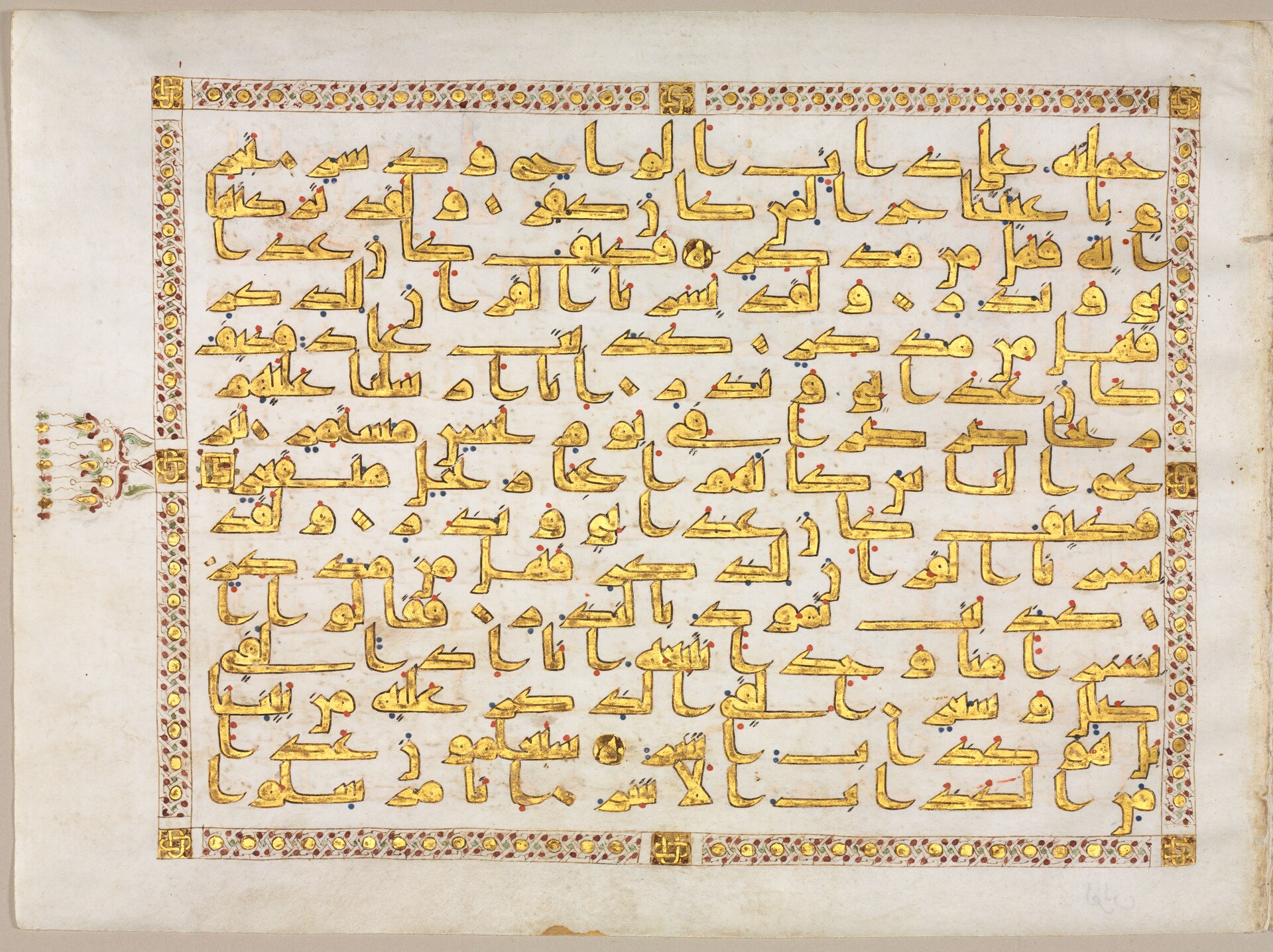
Hal and maqam.
A hal is a state that arrives and leaves; a maqam is a station you have actually reached and can stand on. Sufi psychology insists on the difference because confusing the two is the standard way people deceive themselves — a good hour of prayer is not a changed character, and the literature says so repeatedly and unkindly.
The distinction between hal and maqam is Sufi psychology's main defence against self-deception. A hal is a state that descends and departs — an hour of unusual clarity in prayer, a night of tears, a sudden lifting — and it is not earned and cannot be held. A maqam is a station: something the person has actually established in themselves and can stand on, reached through sustained practice, and it does not evaporate when the mood does. The literature, from al-Sarraj and al-Qushayri onward, lists the stations in order — repentance, abstinence, renunciation, poverty, patience, reliance, contentment — and is unkind about people who mistake a good state for an achieved station. The practical warning is that spiritual experience is not spiritual progress, that experiences are the easy part, and that a shaykh's main job is telling a disciple which one they have just had. It is a more rigorous account of the difference between feeling and character than most traditions bother to produce.
The same ground, other faiths
claims that share this one's ideasSign in to open the first thread. Everything here is attributed.