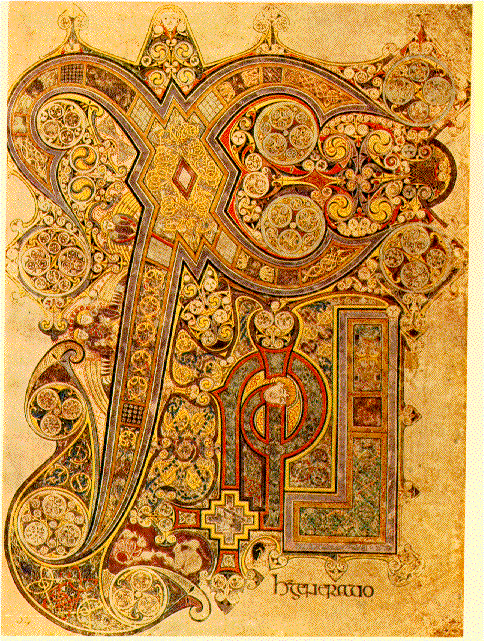
The dark night.
Prayer goes dry and stays dry. John of the Cross read it as progress — the senses being weaned off spiritual reward — rather than as failure or as absence. Teresa of Calcutta's letters, published in 2007 against her wishes, record about fifty years of it alongside the work.
John of the Cross, imprisoned by his own order in 1577, wrote the account that named it: the night of sense and the night of spirit, in which the practices that used to produce feeling produce nothing, and the person concludes they have failed or that God has left. His reading is that this is progress — the appetite for spiritual consolation is itself an appetite, and it is being weaned. Teresa of Ávila describes the same terrain more cheerfully. The modern case that made it public is Teresa of Calcutta, whose private letters, published in 2007 against her explicit instruction, record roughly fifty years of a felt absence of God running alongside the work, which she disclosed to her directors and to almost nobody else. Believers read it as the dark night; critics read it as evidence she stopped believing. The letters themselves are compatible with both, which is why they matter.
The same ground, other faiths
claims that share this one's ideasSign in to open the first thread. Everything here is attributed.