The Interior of Islam
The recitation.
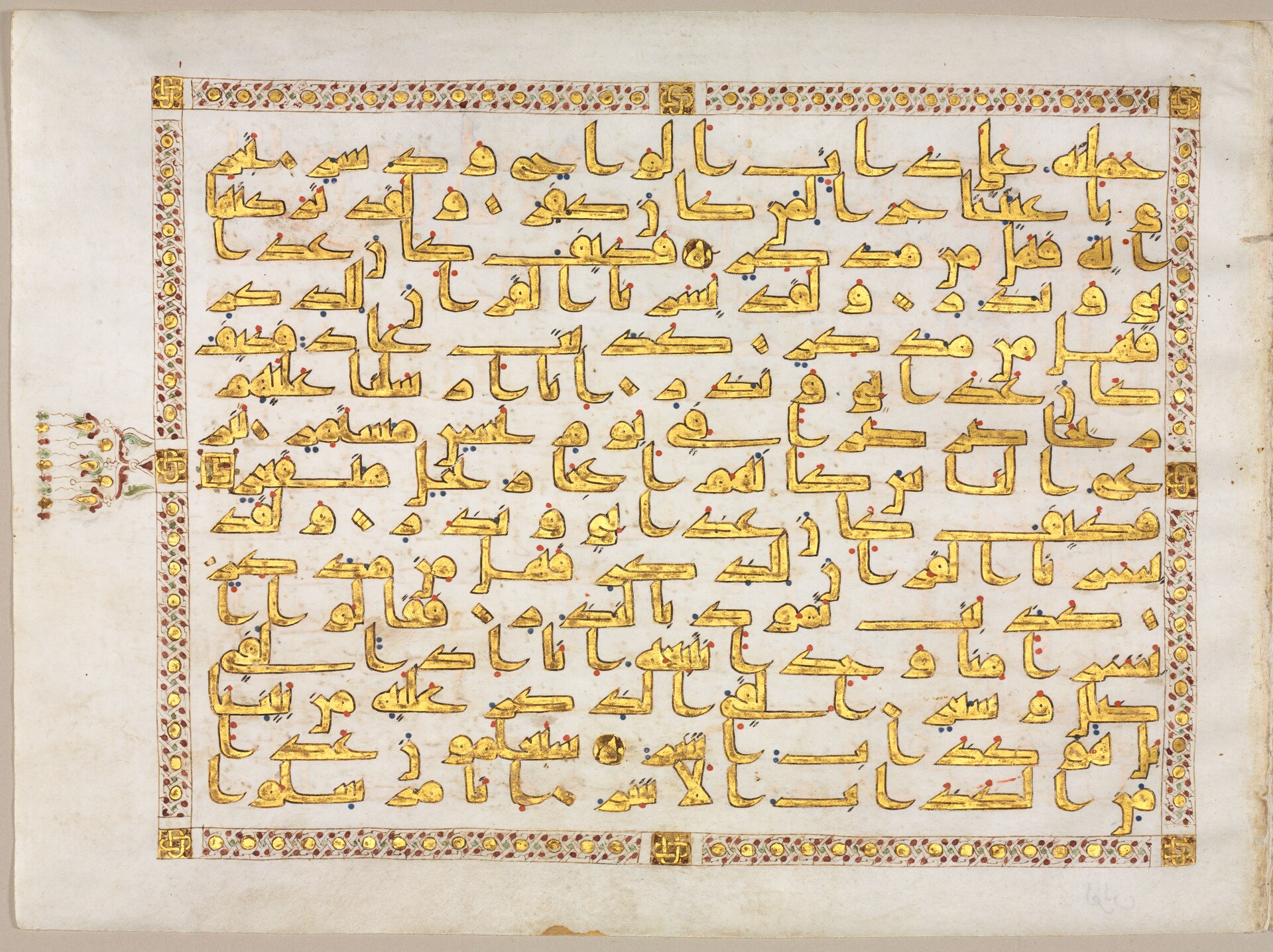
Islam's nearest sacrament is sound: the Quran chanted by the rules of tajwid, where the revelation is not read about but re-sounded.
Reached throughThrough tajwid — the Quran recited aloud, slowly, by the rules
What it is likeThe meaning arrives through the sound before the sense; reciters and listeners weep without knowing why
What it signifiesRevelation was sonic before it was textual — recitation is how it stays alive
Understanding it — context, not catechism: how this passage is held
Tajwid is the science of how the Quran must be sounded — the length of vowels, the merging of consonants, where breath may fall — and it is taught with the seriousness of a musical discipline because the recited form is considered the actual scripture. Listeners who speak no Arabic frequently report being moved, and reciters are national figures in much of the Muslim world. The tradition's own account of its founding moment is aural: not a book handed over, but a voice in a cave saying recite.
The same ground, other faiths
claims that share this one's ideas
The Jesus Prayer.
Christianity · rite
Go deeper →
Dhikr — the remembrance circle.
Sufism · rite
Go deeper →
Worship is expectant silence.
Quakerism (Religious Society of Friends) · core tenet
Go deeper →
The Book of Lamentations — the Narek.
The Armenian Apostolic Church · scripture
Open the book →
Sound rightly spoken has power.
Vedic Religion · core tenet
Go deeper →
Samadhi — union in stillness.
Hinduism
Go deeper →
Sign in to open the first thread. Everything here is attributed.