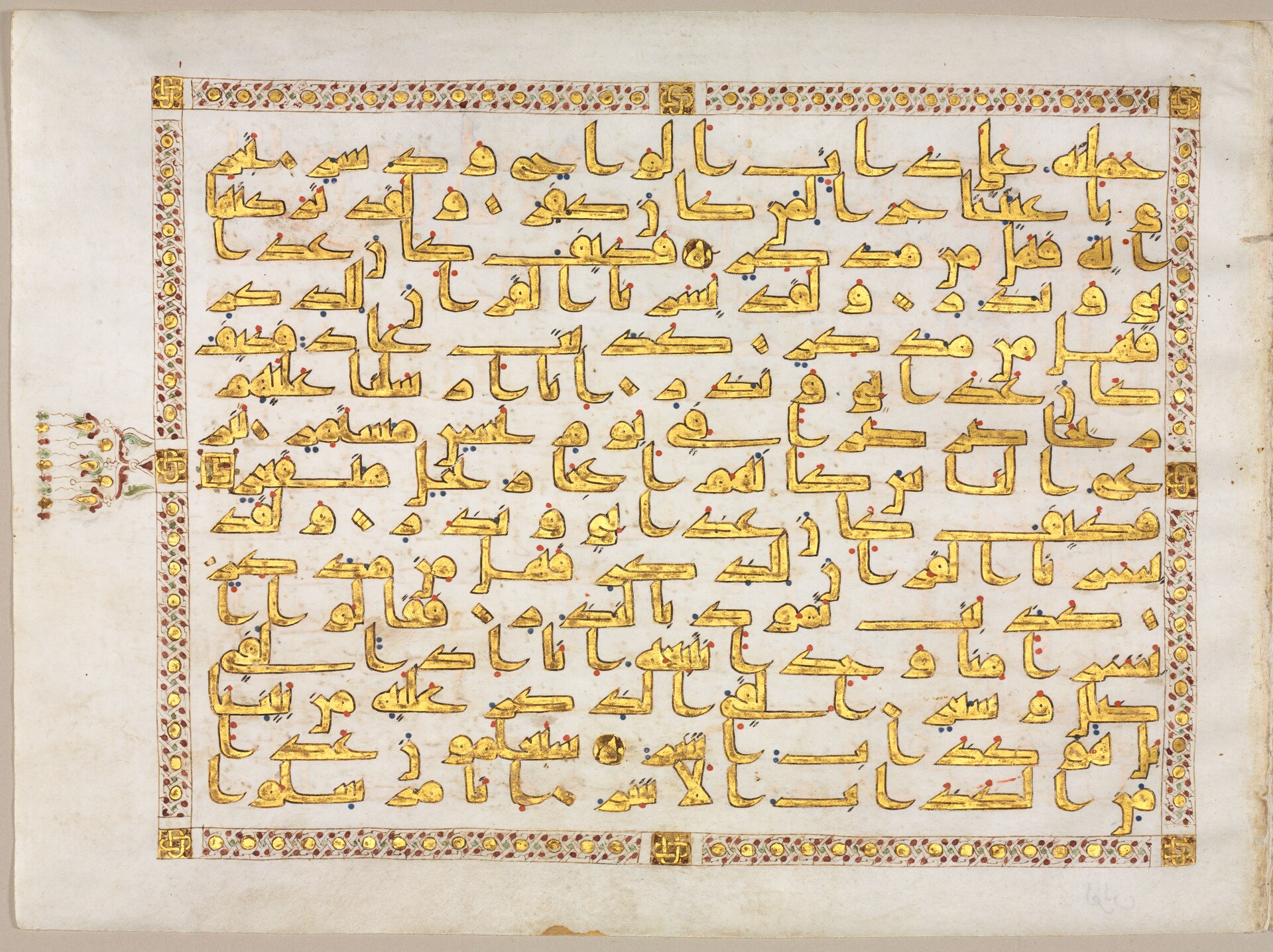
Khushu.
Attention in the prayer — the point at which it stops being a sequence you are getting through. The tradition treats its absence as the first thing to go and the hardest to get back, and the commentaries on it are mostly practical: slow down, understand the words, do not pray when you need the toilet or the food is served.
Khushu is the attention and humility inside the prayer, and the tradition treats its absence as the difference between performing the prayer and praying. The Quran opens the description of successful believers with those who are humbly submissive in their prayer. The literature on how to get it is strikingly practical rather than mystical: do not pray when you need the toilet or when food is served, slow the recitation down, learn what the words mean, look at the place of prostration rather than around the room, and vary which passages you recite so the words do not go automatic. Ibn al-Qayyim and al-Ghazali both write at length on the problem of the mind wandering, and neither pretends it is easily solved. There is a widely transmitted warning that the first thing to be lifted from this community will be khushu — that mosques will be full of people none of whom have it — which is the tradition diagnosing its own most likely failure mode in advance.
The same ground, other faiths
claims that share this one's ideasSign in to open the first thread. Everything here is attributed.