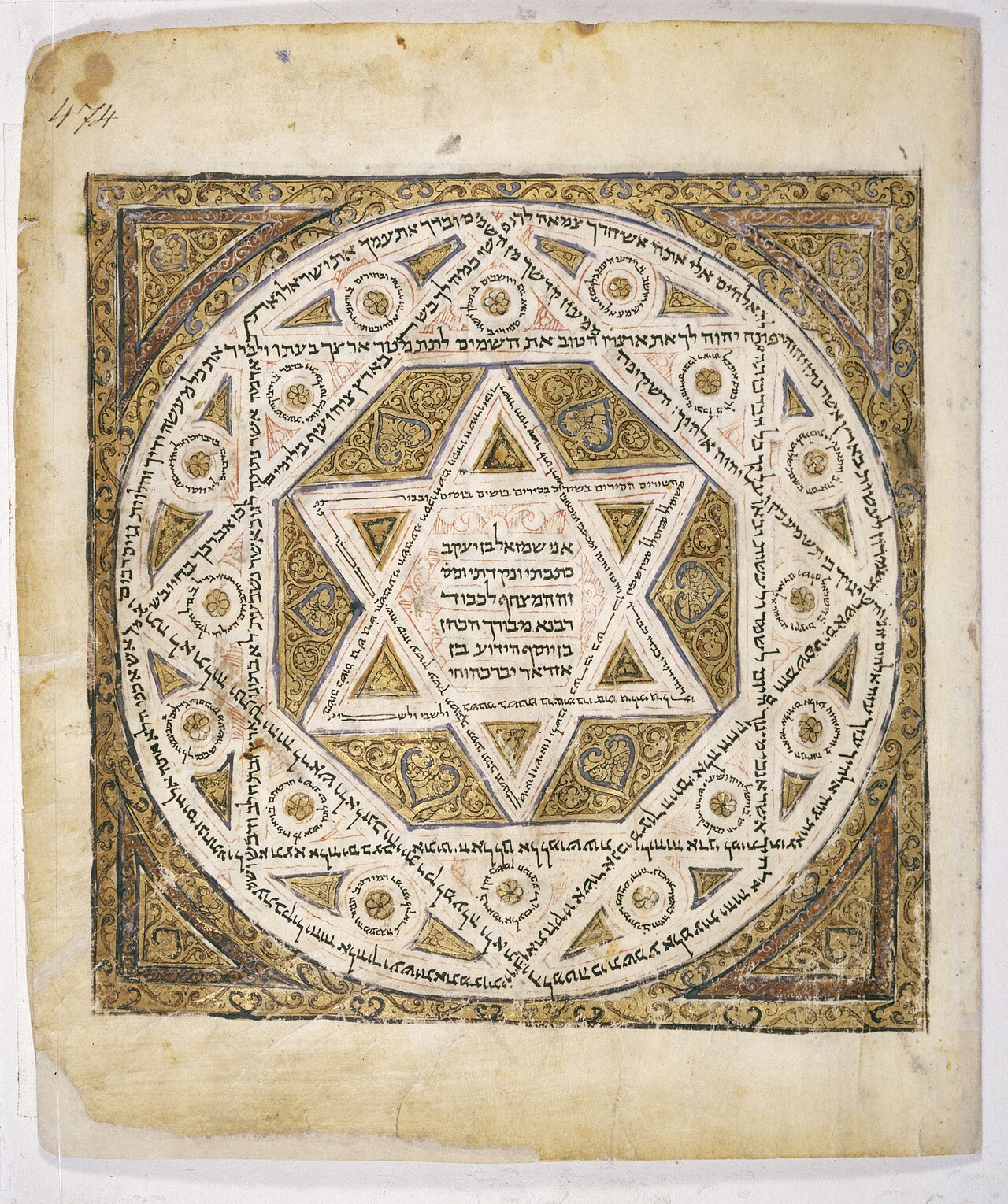
No one stands between a person and God.
No priest absolves, no saint is petitioned, nobody confesses to anybody. On Yom Kippur each person strikes their own chest through a list of sins written in the plural — everyone says everything, and no human being is listening.
The absence is structural rather than incidental. There is no confession to a person, no absolution granted by anyone, and no figure in the liturgy whose job is to carry a request upward — the Amidah is addressed to God in the second person and said standing, silently, by each individual before it is repeated aloud. The kohanim who bless the congregation are a channel for a text, not a petition, and the text says God will bless, not the priest. Two things strain the principle. The medieval piyyut Machnisei Rachamim asks angels to bring prayers in, and has been argued about for eight hundred years — still printed in most Ashkenazi selichot, still skipped by Jews who follow Maimonides on this. And Hasidism gave the rebbe a role that looks from outside exactly like intercession, with followers handing over written requests. Both camps insist, when pressed, that the address is God alone, which is a good measure of how much the principle costs to keep.
The same ground, other faiths
claims that share this one's ideasSign in to open the first thread. Everything here is attributed.