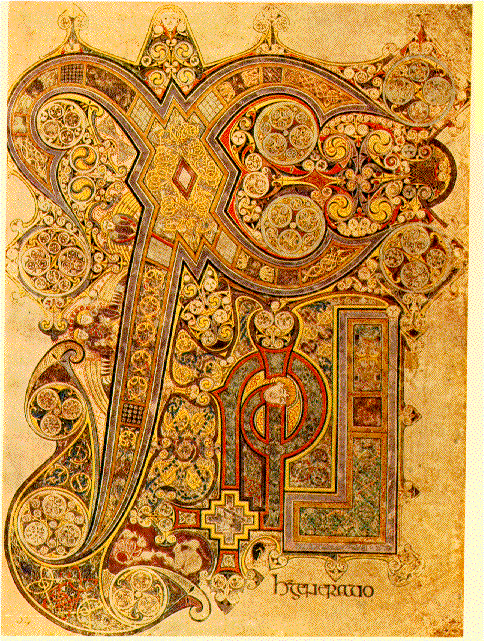
One person, two natures — or one nature out of two.
Chalcedon, 451: Christ is made known in two natures, without confusion and without division. The Copts, Armenians, Ethiopians and Syriacs refused the wording and have been a separate communion ever since — the oldest surviving split in Christianity, and by the joint statements signed at Chambesy in 1989 and 1990, largely a fight over one Greek noun.
This is the oldest split still standing, and it is the one Western Christians most often do not know exists. Chalcedon in 451 defined Christ as one person in two natures. Alexandria's theologians, following Cyril, held that speaking of two natures after the union divided Christ, and preferred one incarnate nature out of two — miaphysite, not monophysite, and the distinction matters, because they never taught that the humanity was swallowed up. The Coptic, Ethiopian, Eritrean, Armenian, Syriac and Indian Orthodox churches went their own way and have been called heretics by Greeks and Latins for fifteen centuries. Then, in 1989 and 1990 at Chambesy, joint commissions of Eastern Orthodox and Oriental Orthodox theologians signed statements agreeing that both families have always held the same faith in different vocabulary. Formal reunion has not happened, largely over the mutual anathemas and the saints each side canonised for cursing the other, which is an unusually honest reason for a stalemate.
One and the same Christ, made known in two natures, without confusion, without change, without division, without separation.
Definition of Chalcedon, 451 (rendered)Four negatives and no positive account — the council fenced the mystery rather than explaining it.
The same ground, other faiths
claims that share this one's ideasSign in to open the first thread. Everything here is attributed.