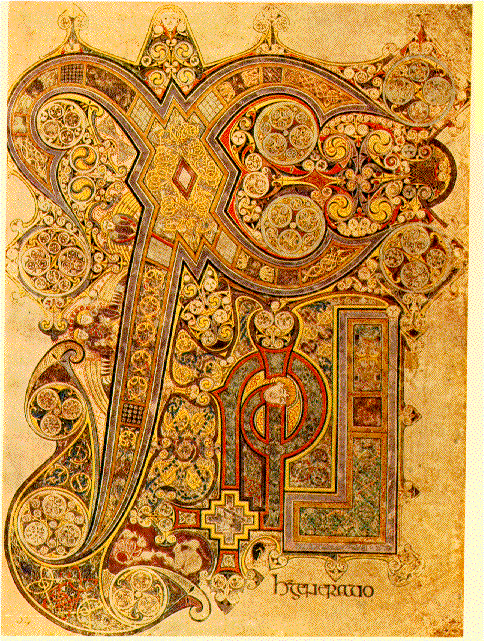
The hours.
Seven times a day, on the psalm's own instruction. Copts pray the Agpeya facing east from Matins through the Midnight Office; Benedictines have sung the same cycle since the sixth century; most laypeople manage morning and night and count that as keeping it.
The instruction comes from Psalm 119 — seven times a day do I praise you — and the Coptic Agpeya takes it literally, with offices at Matins, Terce, Sext, None, Vespers, Compline and Midnight, each built on psalms, a gospel reading and litanies, prayed facing east. Copts learn it at home as children, which is why it survives as a lay practice and not only a monastic one; the Coptic language itself survives essentially only in these prayers and the liturgy. The Benedictine cycle in the West divides the psalter across a week and has been sung continuously since the sixth century. Laypeople in the Western churches mostly keep morning and evening prayer, and the 1979 American Book of Common Prayer and its equivalents were designed to make that possible without a monastery. Phone apps have measurably increased lay use of the office in the last decade, which is the least romantic and most significant recent fact about it.
Seven times a day do I praise thee because of thy righteous judgments.
Psalm 119:164 (KJV)The verse the Coptic Agpeya and the Western breviary both take as their instruction.
The same ground, other faiths
rites that share this one's ideasSign in to open the first thread. Everything here is attributed.