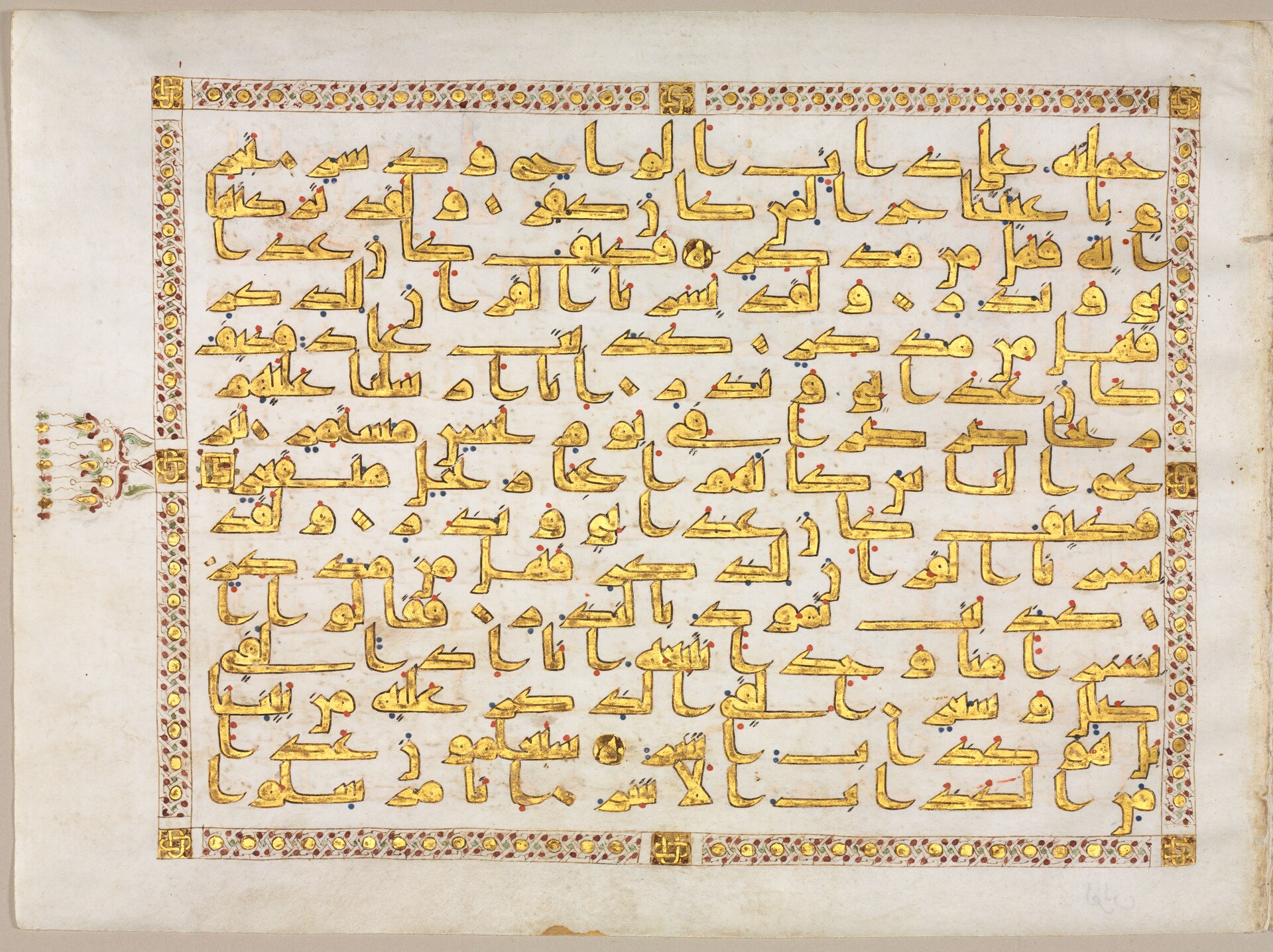
Fajr.
Two units, before first light. The tradition treats it as the honest measure of a person's practice because nobody sees you do it and there is no social cost to skipping it — the line in the call to prayer, prayer is better than sleep, is only said at this one.
Fajr is the prayer that separates the practising from the nominally observant, and everyone in the tradition knows it. It falls before sunrise, its window is short, and no social pressure enforces it — a person can skip it their whole life without anyone noticing. The call to prayer at Fajr alone adds a line: prayer is better than sleep. Hadith literature attaches heavy weight to it and to the night prayer for exactly this reason, and Muslim self-assessment tends to use it as the honest gauge. In high latitudes it becomes a genuine practical problem: in a Scottish or Scandinavian summer, Fajr and the night prayer collapse into a couple of hours, and jurists have issued a range of accommodations — following Mecca's timings, following the nearest moderate latitude, or combining prayers — that are still argued about in mosque committees every June.
The same ground, other faiths
rites that share this one's ideasSign in to open the first thread. Everything here is attributed.