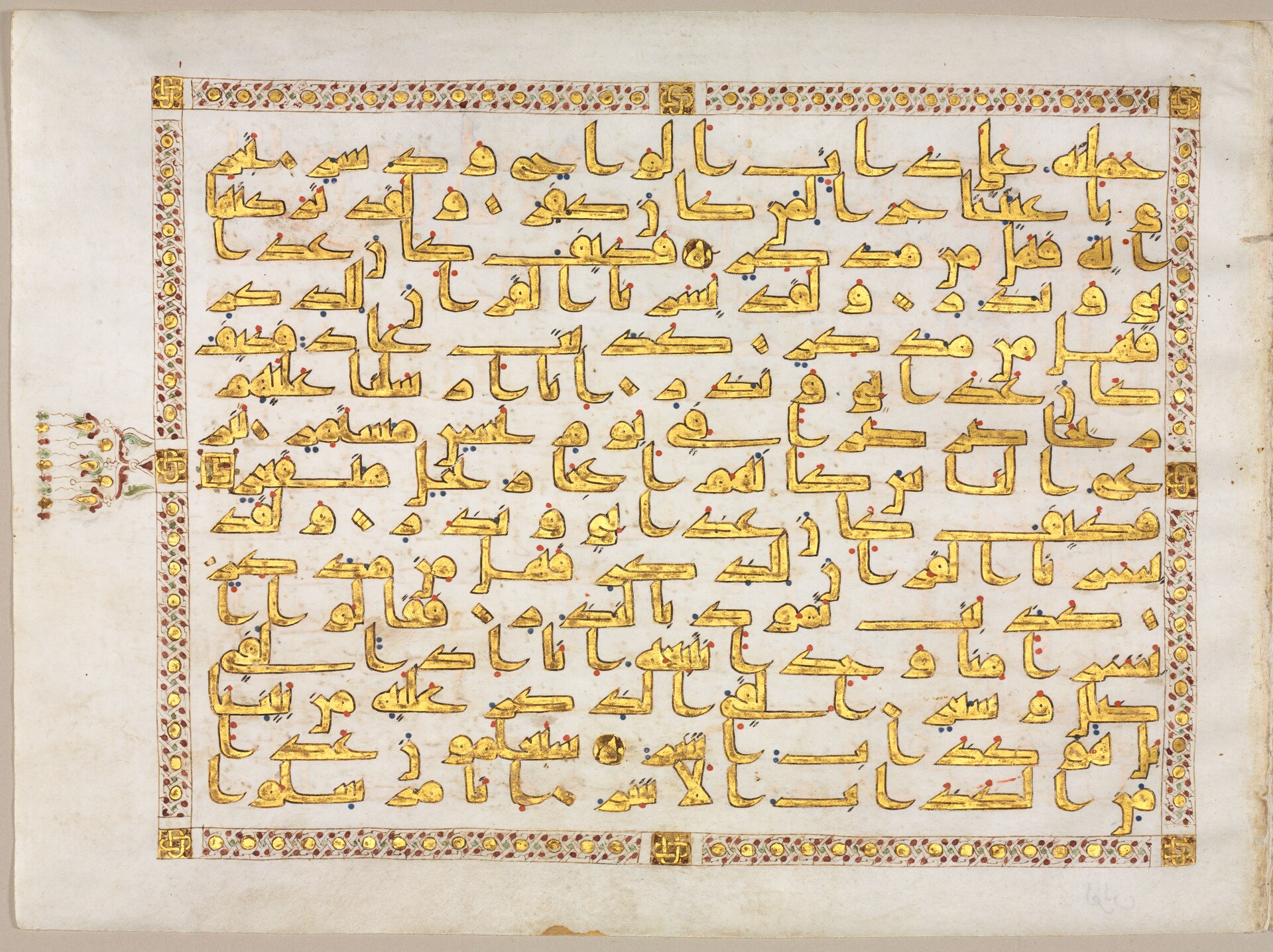
The Mathnawi.
Twenty-five thousand Persian couplets, opening with a reed cut from the reed bed and complaining about the separation. Rumi's admirers called it the Quran in Persian; his critics thought that was exactly the problem. It is recited, sung, and danced to in the Mevlevi ceremony.
Rumi composed the Mathnawi in Konya over the last fifteen years of his life, dictating to his student Husam al-Din Chalabi, and it runs to about twenty-five thousand couplets in six books. It opens with a reed flute cut from the reed bed, crying about separation — the image the whole poem works from. It is not systematic: it moves through parables, jokes, obscene stories, arguments with philosophers and sudden addresses to the reader, on the principle that a story gets past defences an argument does not. Jami called it the Quran in Persian, which admirers repeat and critics regard as precisely the objection. It is recited in Persian, Turkish and Urdu, set to music, and used in the Mevlevi sema, the turning ceremony that Rumi's son organised after his death and that Turkey banned in 1925 along with all Sufi orders, then later permitted as cultural performance. The English Rumi that sells in enormous quantities is largely a set of loose renderings that remove the Quranic references and the Islam, which Persian speakers find baffling.
Listen to the reed, how it tells its tale, complaining of separations.
Rumi, Mathnawi, opening line, Konya, c. 1258 (rendered)The reed cut from the reed bed is the image the whole twenty-five thousand couplets work from.
The same ground, other faiths
claims that share this one's ideasSign in to open the first thread. Everything here is attributed.