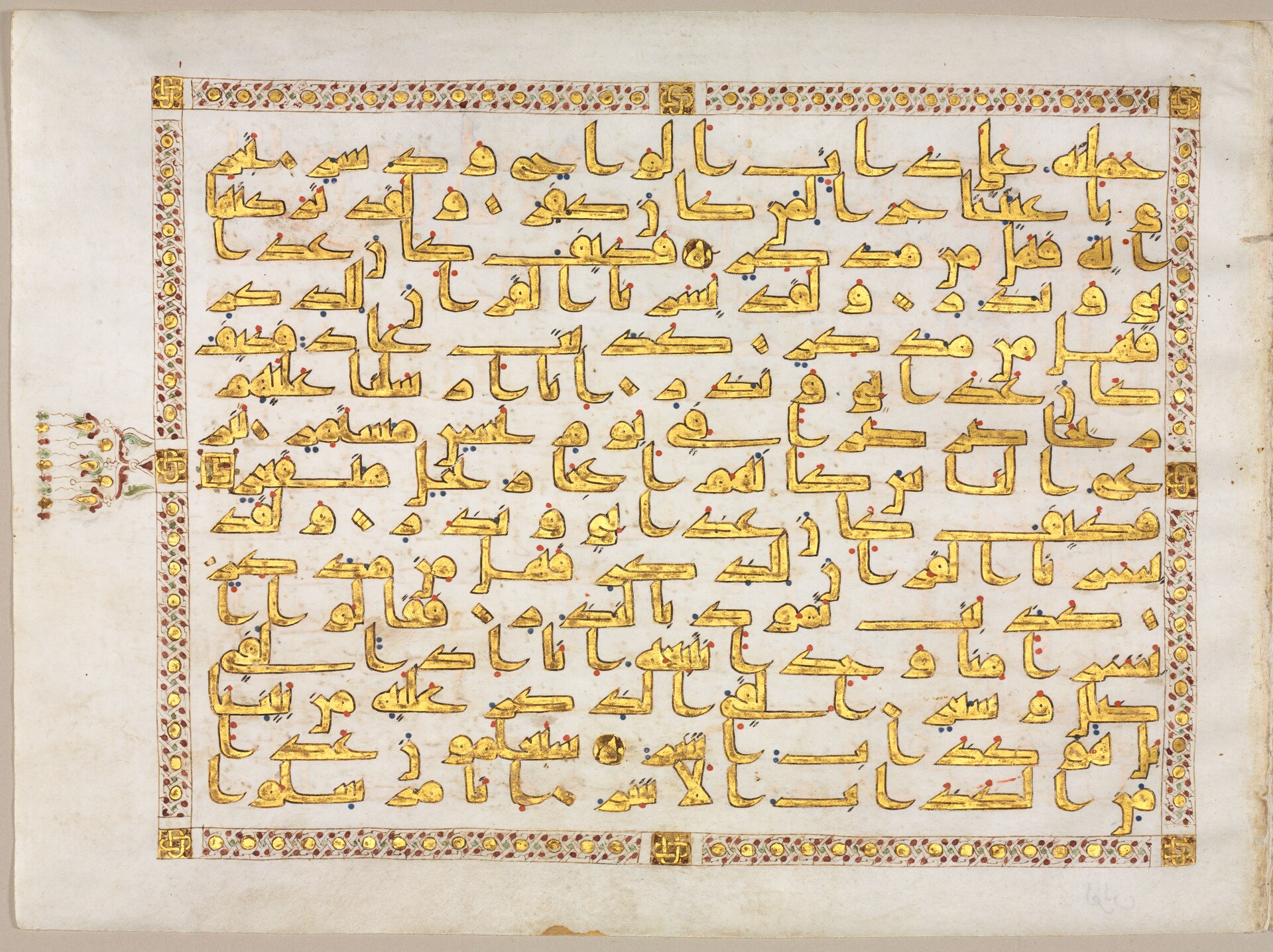
Ihya Ulum al-Din.
Al-Ghazali left the most prestigious chair in Baghdad, disappeared for eleven years, and came back with forty books on how to pray, eat, marry, earn and die. It is the most widely read Islamic book after the Quran and the hadith, and it is what made Sufi practice respectable to the jurists.
Al-Ghazali held the most prestigious teaching chair in the Islamic world at the Nizamiyya in Baghdad, had a breakdown in 1095 in which he found he could not speak, left everything, and spent about eleven years wandering as an ascetic before returning to write. The Ihya, the Revival of the Religious Sciences, is what came out: forty books in four quarters covering acts of worship, the norms of daily life, the vices that destroy, and the virtues that save — how to perform ablution, how to eat with others, how to earn, how to manage marriage and anger and vanity, how to die. Its achievement is structural: it takes Sufi interiority and demonstrates it inside the framework of Sunni law, which made the mystical tradition respectable to jurists who had been suspicious of it and stopped the two from splitting apart. It is generally reckoned the most widely read Islamic book after the Quran and the hadith collections, and it is still assigned in madrasas from Morocco to Java. His autobiographical Deliverance from Error, describing the collapse and the search, is one of the few first-person accounts of a religious crisis from the medieval world.
The same ground, other faiths
claims that share this one's ideasSign in to open the first thread. Everything here is attributed.