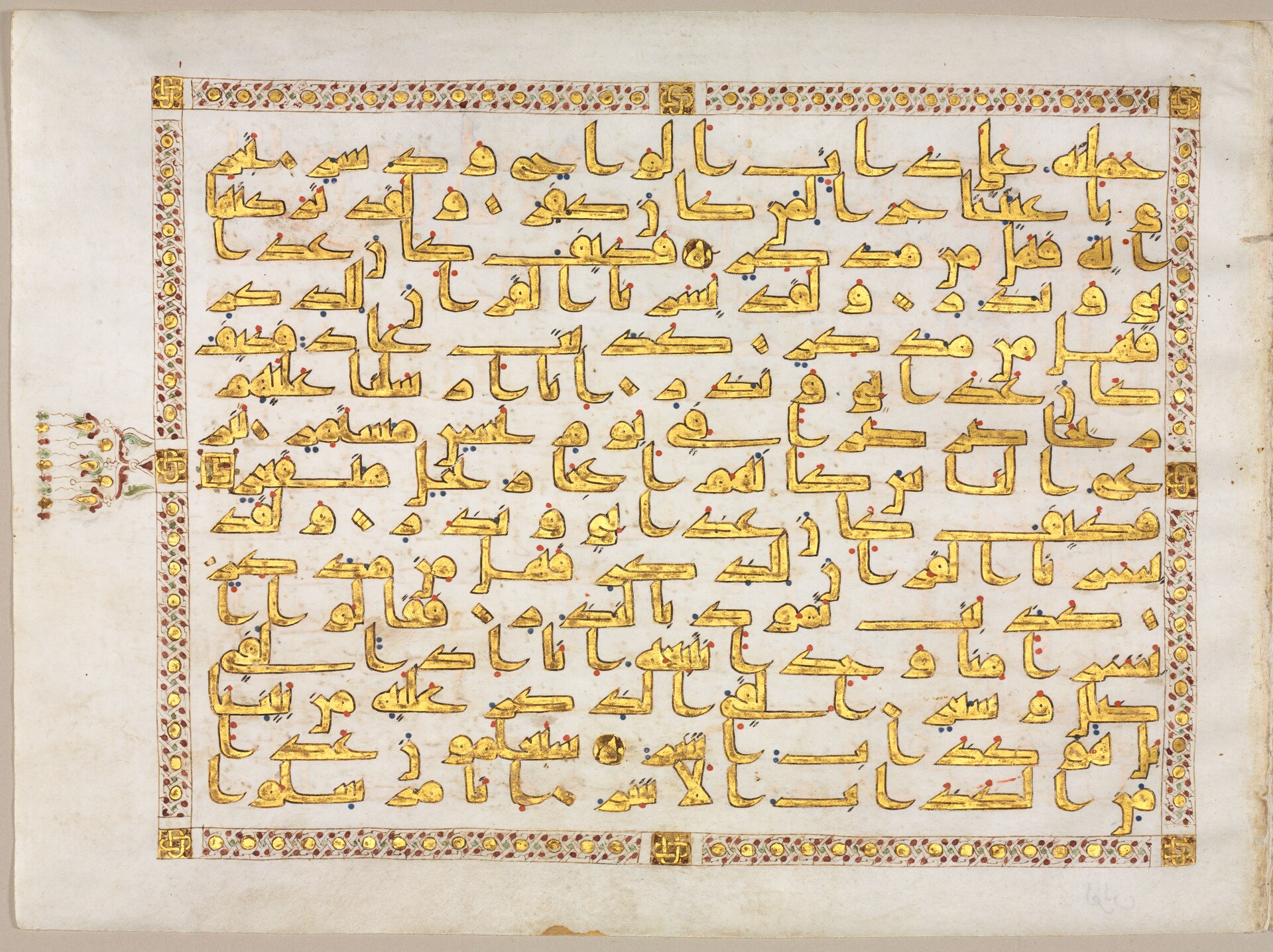
Dhikr — remembrance.
The Names repeated on the breath or the beads — subhanallah, alhamdulillah, allahu akbar, thirty-three each: prayer distributed through the day's gaps.
Dhikr is what fills the space between the fixed prayers: short formulas repeated on beads, on the breath, or aloud in a gathering — subhanallah, alhamdulillah, allahu akbar, thirty-three each after prayer is the common pattern. Sufi orders developed it furthest, into communal sessions with breath control, movement, and sometimes music, and this is precisely where reformist critics have objected. The Quranic warrant is direct and often quoted: hearts find rest in the remembrance of God.
Truly, in the remembrance of God do hearts find rest.
Quran 13:28The warrant for dhikr, quoted in nearly every Sufi manual.
The same ground, other faiths
rites that share this one's ideasSign in to open the first thread. Everything here is attributed.