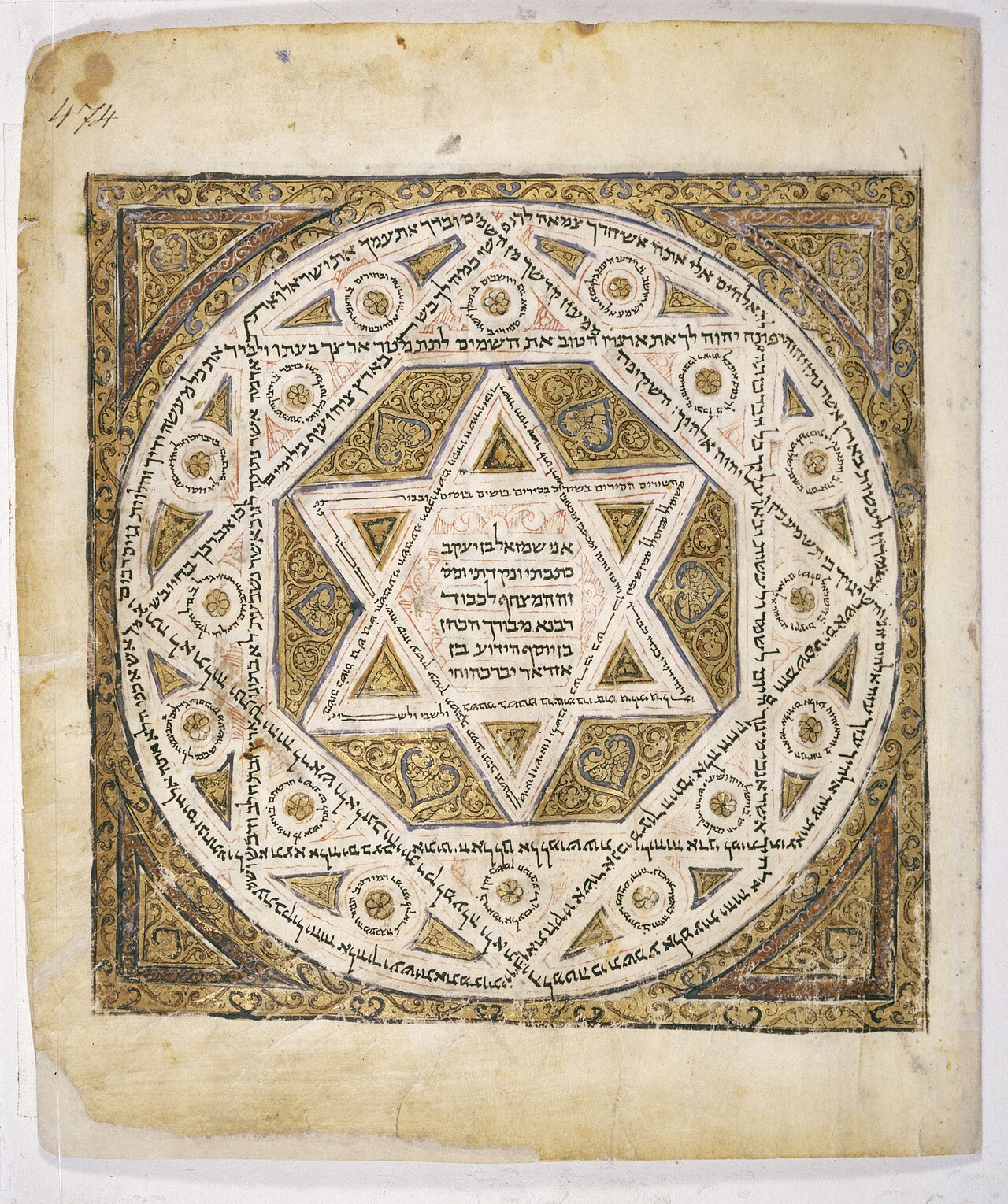
Chosen means obligated.
Asher bachar banu — who chose us — is said before every Torah reading. The rabbinic gloss is consistently about load rather than rank: 613 commandments for Jews, seven for everyone else, and the righteous of all nations have a share in the world to come.
Chosenness is stated constantly and defined narrowly. The blessing before the Torah reading thanks God for choosing us from all peoples; havdalah at the close of Shabbat separates Israel from the nations in the same breath as light from darkness. The rabbinic gloss is consistently about obligation: Israel took on 613 commandments, the rest of humanity is bound by seven Noahide laws, and the Tosefta states plainly that the righteous of all nations have a share in the world to come — a position with no real equivalent in the religions that came after. Judaism does not seek converts and has spent most of its history in no position to. Reconstructionist Judaism removed the chosenness language from its liturgy in 1945 as morally indefensible, and got its prayer book publicly burned by Orthodox rabbis in New York for it. Reform kept the language and reinterpreted it as mission. The tension is real and has never been resolved.
The righteous of all the nations have a share in the world to come.
Tosefta Sanhedrin 13:2 (rendered)Chosenness with the exclusivity taken out, stated inside the classical corpus.
The same ground, other faiths
claims that share this one's ideasSign in to open the first thread. Everything here is attributed.