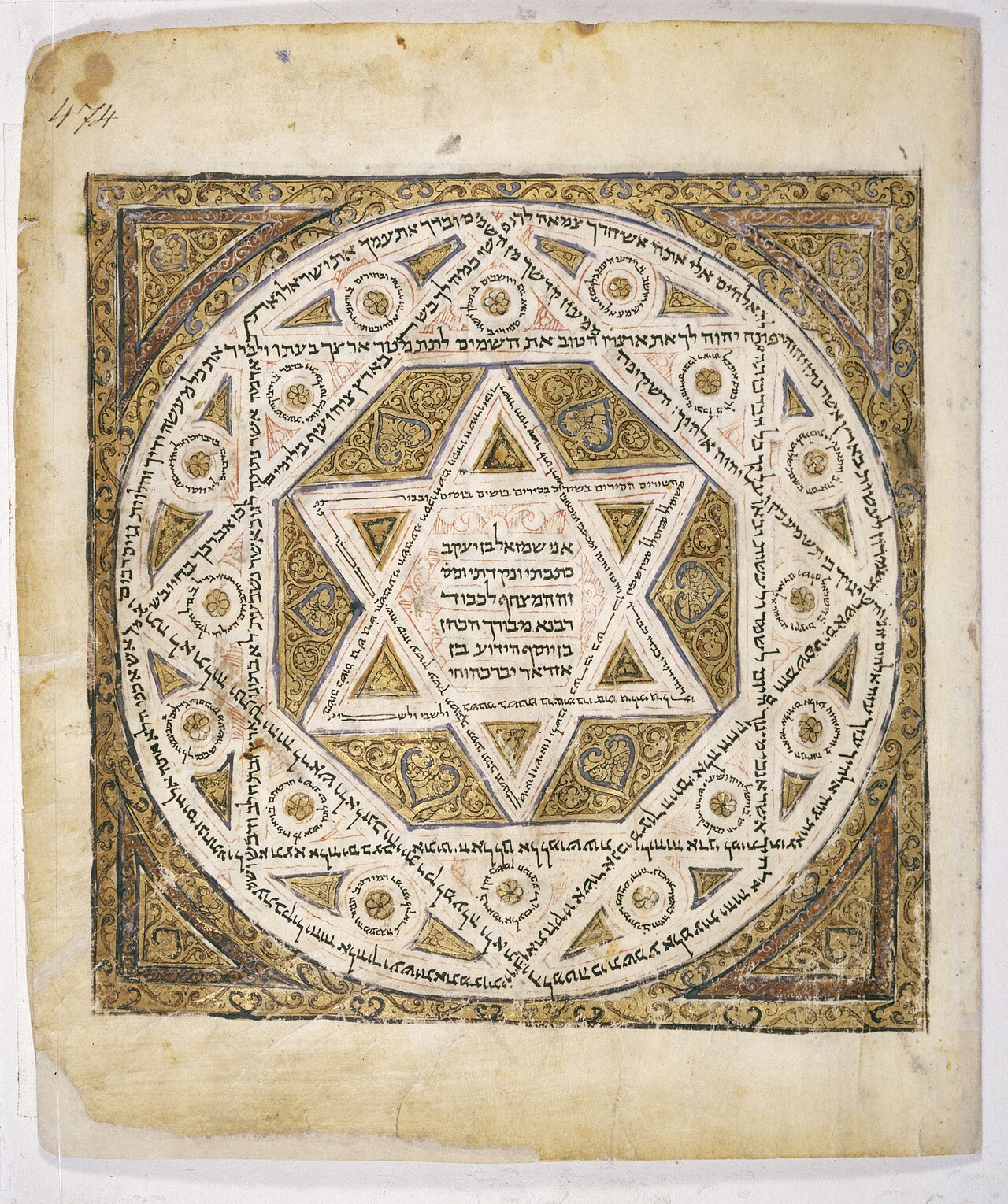
The Land is part of the covenant.
The liturgy has faced Jerusalem for two thousand years and asks daily for the ingathering of exiles. What follows politically is the most divisive question in Jewish life, and the tradition contains every answer at once.
Every Amidah asks to be gathered from the four corners of the earth, and Jews prayed facing Jerusalem for centuries before there was a state to argue about. What splits the tradition is what that means now. Religious Zionism, following Rabbi Abraham Isaac Kook, reads 1948 as a stage in the redemption, and its prayer for the state calls it the first flowering. Satmar Hasidim and Neturei Karta read the same event as a mass violation of the three oaths in Ketubot 111a — not to storm the wall, not to rebel against the nations — and the Satmar Rebbe put that argument into a book, Vayoel Moshe, in 1961. Much of the Haredi world sits in a third position: no theological legitimacy granted to the state, full practical participation in it. And a growing share of diaspora Jews, especially the young, now separate attachment to the land from endorsement of its government — a distinction their grandparents rarely drew in public. Every one of these positions is argued from the same verses.
The same ground, other faiths
claims that share this one's ideasSign in to open the first thread. Everything here is attributed.