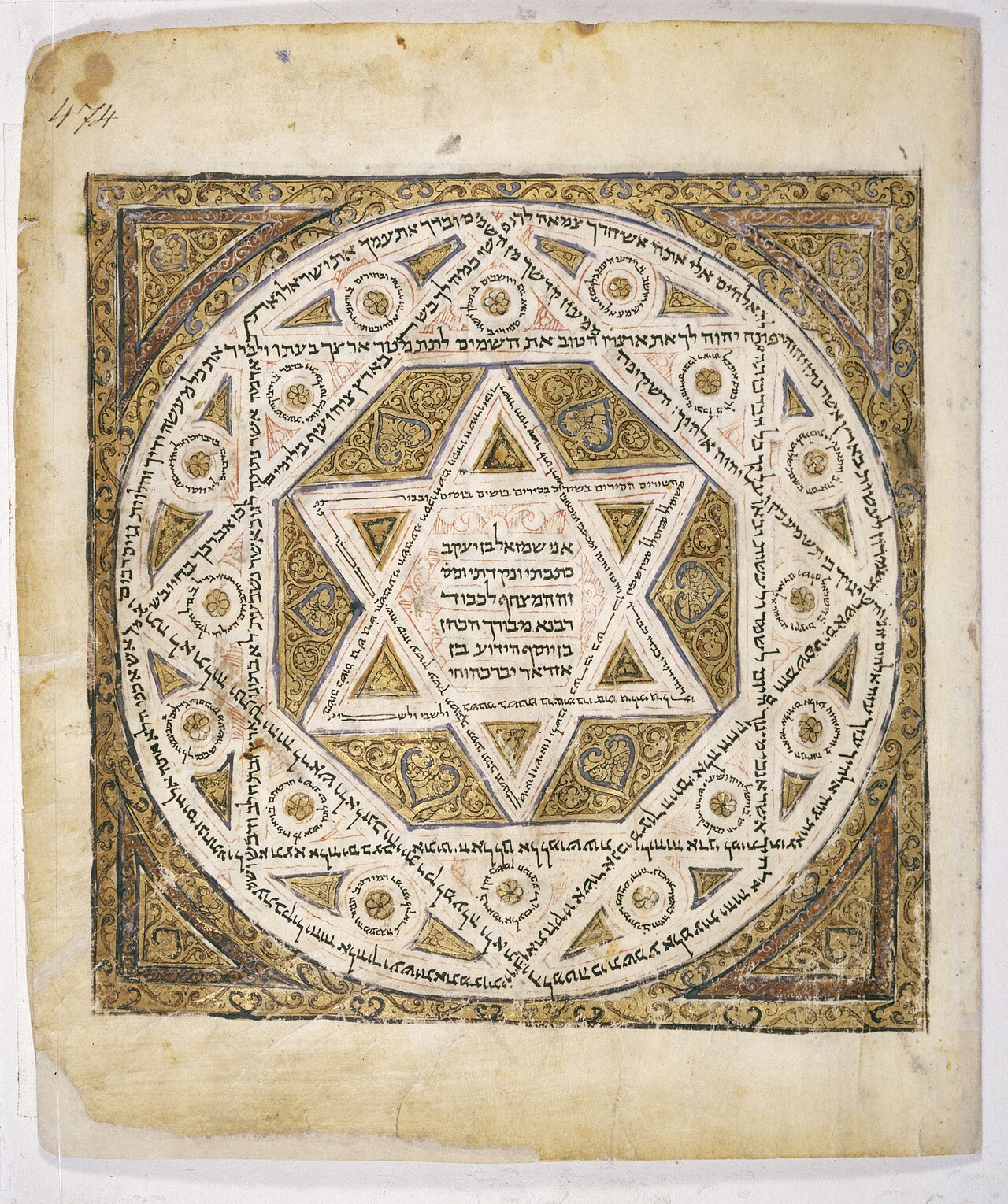
Job, and the answer that is not one.
God answers a question about justice with questions about ostriches, wild goats and the sea. Job gets new children at the end, and Jewish readers have never accepted that as compensation — which is exactly why the book stayed in.
Job is in the canon because Judaism did not want the question closed. A blameless man loses everything on a wager he is not told about; three friends arrive, sit with him in silence for seven days — the source of the shiva custom of not speaking first to a mourner — and then spend thirty-five chapters explaining that he must have deserved it. Job refuses the explanation and demands a hearing. God answers out of the whirlwind with a torrent of questions about wild goats, the ostrich, the war-horse and the sea, never addressing the charge, and then tells the friends they have not spoken rightly about him as Job has. The theology of the ending is disputed in every generation: the friends are condemned for defending God, and the man who accused him is vindicated. Jewish readers have generally refused the epilogue's new children as an answer, and the book is read in fragments on Tisha B'Av, on the floor, in the dark.
The same ground, other faiths
claims that share this one's ideasSign in to open the first thread. Everything here is attributed.