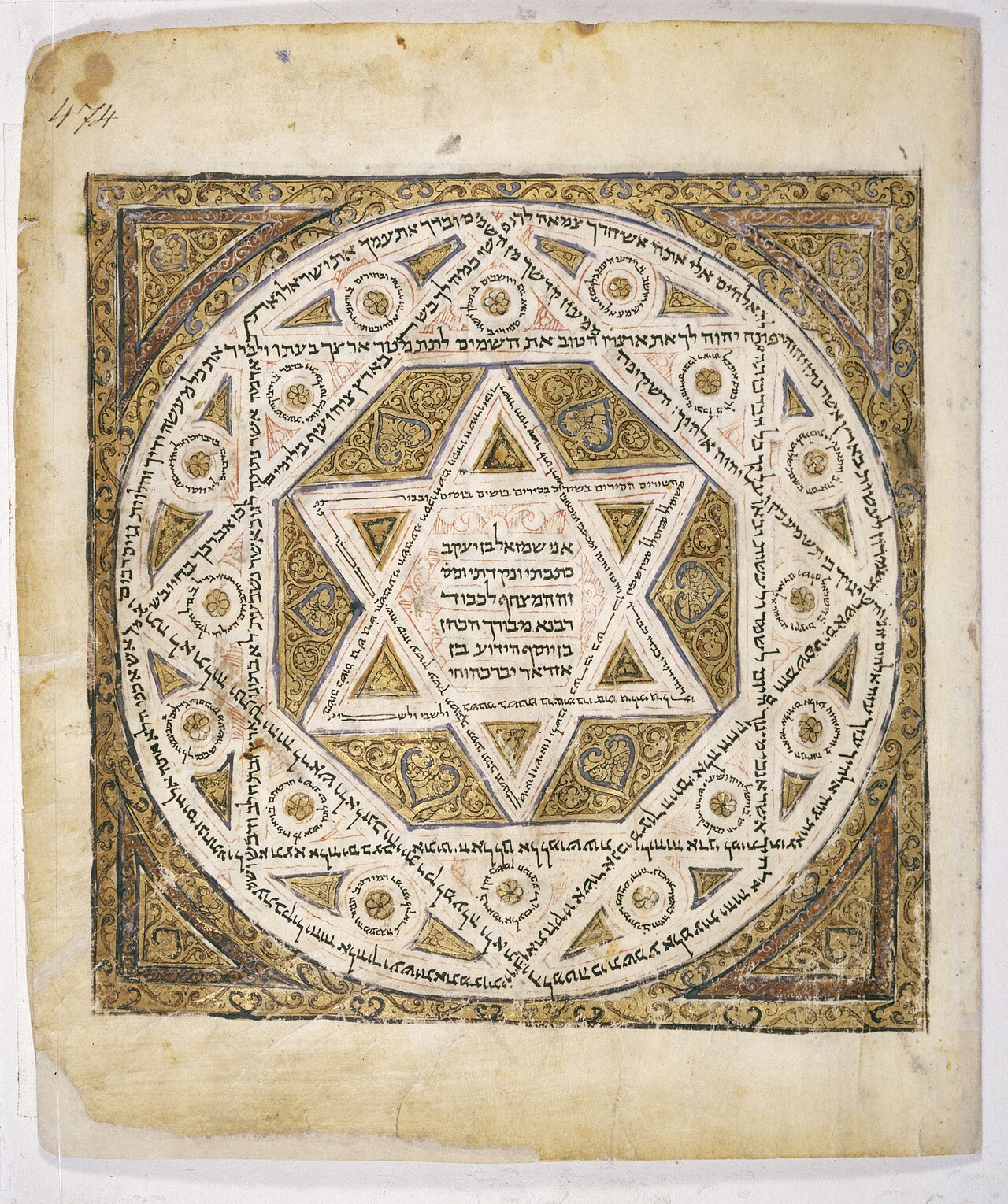
The midrash.
Abraham smashing his father's idols is not in the Bible; it is midrash. The genre works by treating a gap in the text as an invitation rather than a defect.
Midrash is the tradition's imaginative literature and it is not treated as fiction. It works from the observation that scripture is full of gaps — nothing is said about Abraham's childhood, or what Isaac thought on the mountain, or what happened between the brothers after Joseph revealed himself — and reads each gap as an opening. The stories everybody knows are almost all midrash rather than Bible: Abraham smashing the idols in his father's shop, the ovens Nimrod threw him into, Moses as a baby reaching for a coal, the sea refusing to part until one man walked in up to his nose. The collections were assembled over centuries from sermons, and their internal contradictions are not tidied. Halakhic midrash, which derives law from verses, is a separate and more technical genre. What midrash establishes is a reading posture: a Jewish reader assumes the text wants to be questioned, and that filling the silences is a form of respect rather than an intrusion. Chagall painted midrash. So does most Jewish preaching.
The same ground, other faiths
claims that share this one's ideasSign in to open the first thread. Everything here is attributed.