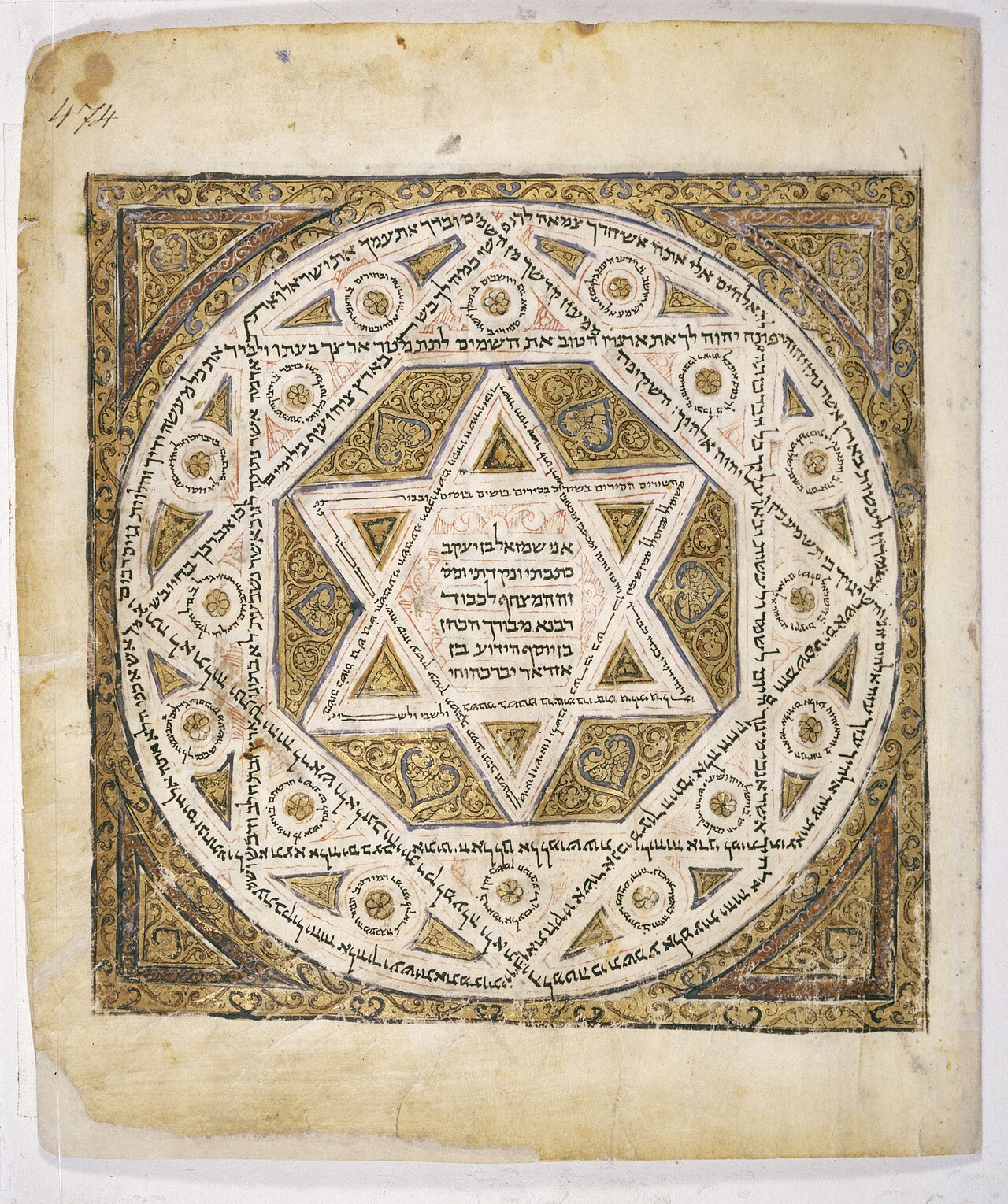
Hitbodedut — talking out loud, alone.
Nachman told his followers that even saying I have nothing to say, over and over, is the practice. It is the closest thing Judaism has to unstructured contemplative prayer, and it arrived in 1800, not 1200.
Hitbodedut is Judaism's outlier: unstructured, spontaneous, vernacular prayer, prescribed as a daily discipline. Nachman of Breslov, in the years around 1800, told his followers to spend an hour a day alone, preferably outdoors at night, talking to God in Yiddish rather than Hebrew — arguing, complaining, asking for things, saying whatever is actually there. He was explicit that having nothing to say is itself the practice, and that repeating master of the universe until something breaks open is a legitimate way to spend the hour. Breslov Hasidim still do it, which is why they can be found in fields and on roadsides in Israel after midnight, and the practice has spread well outside Breslov into liberal and even secular Jewish settings, where it is one of very few Jewish contemplative techniques that requires no Hebrew and no text. The earlier meaning of the word, in Maimonides and the medieval philosophers, was closer to solitary intellectual contemplation, and Nachman's use of it for shouting at God in the dark is a deliberate inversion.
The same ground, other faiths
claims that share this one's ideasSign in to open the first thread. Everything here is attributed.