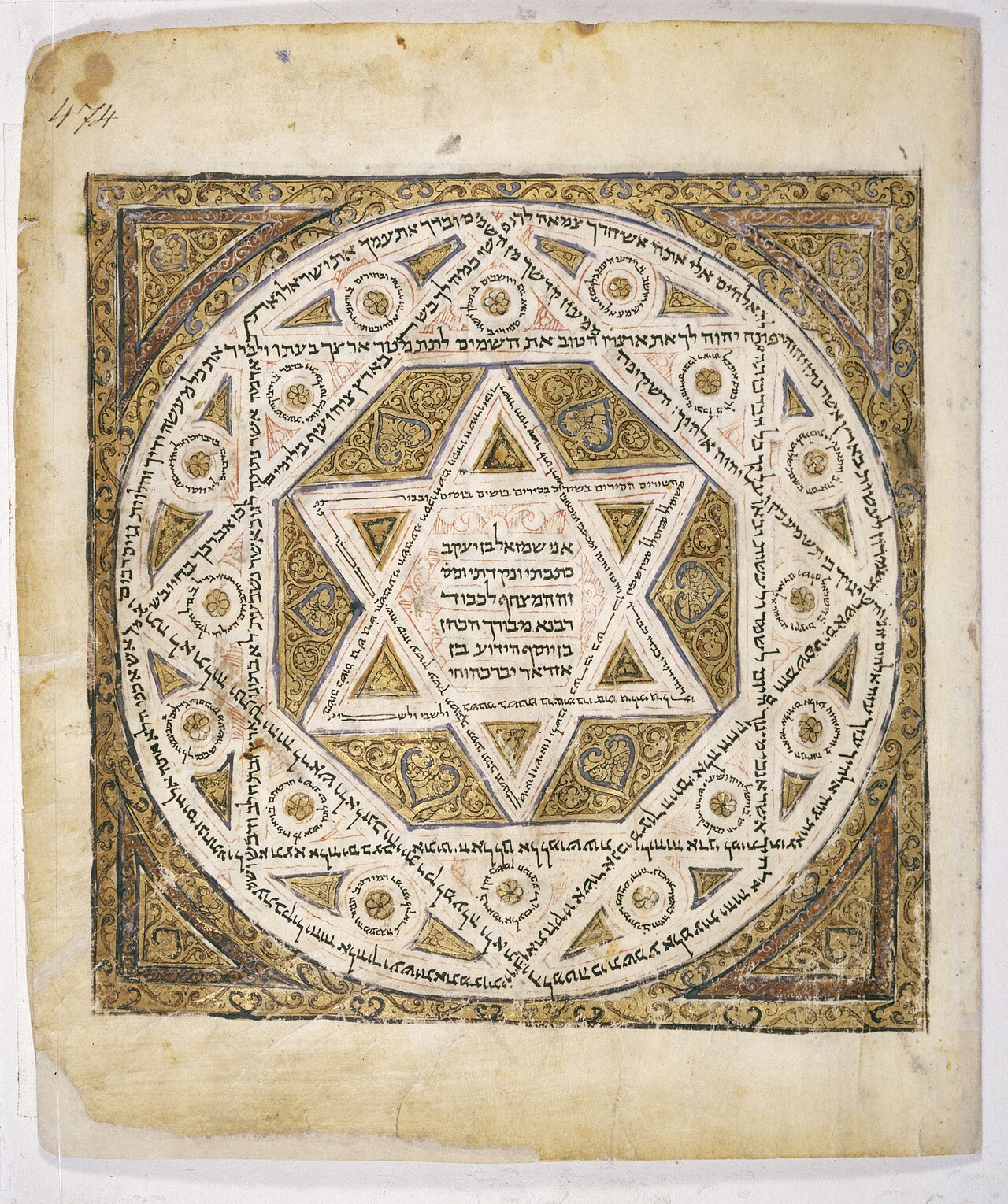
Simcha — the joy that is commanded.
Judaism's ascetic tradition exists and lost the argument. Fasting beyond the fixed days is discouraged, the Talmud says a person will answer for permitted pleasures they refused, and the Hasidic answer to despair was a room full of men dancing.
Judaism has an ascetic tradition and it lost. There were Jewish fasters and hair-shirt penitents in every period, and the mainstream steadily ruled against them: a nazirite who abstains from wine must bring a sin offering, the Talmud says a person will have to answer for permissible pleasures they denied themselves, and the codes discourage private fasting beyond the fixed days on the grounds that a weakened person serves God worse. Against that, simcha is legislated: you shall rejoice in your festival, and the tradition specifies how — meat, wine, new clothes, and making sure the poor, the orphan and the widow are at the table, because there is no rejoicing in a household that eats alone. Hasidism made joy a spiritual technology. Nachman of Breslov, who suffered severe depression himself and wrote about it with unusual directness, taught that it is a great commandment to be always joyful and that a person should force themselves into gladness the way you would force a friend to dance. The result is a religion whose response to catastrophe has repeatedly been a wedding.
It is a great commandment to be always joyful.
Nachman of Breslov, Likutei Moharan II:24 (rendered)From a man who wrote about his own despair at length, which is why it is not glib.
The same ground, other faiths
claims that share this one's ideasSign in to open the first thread. Everything here is attributed.