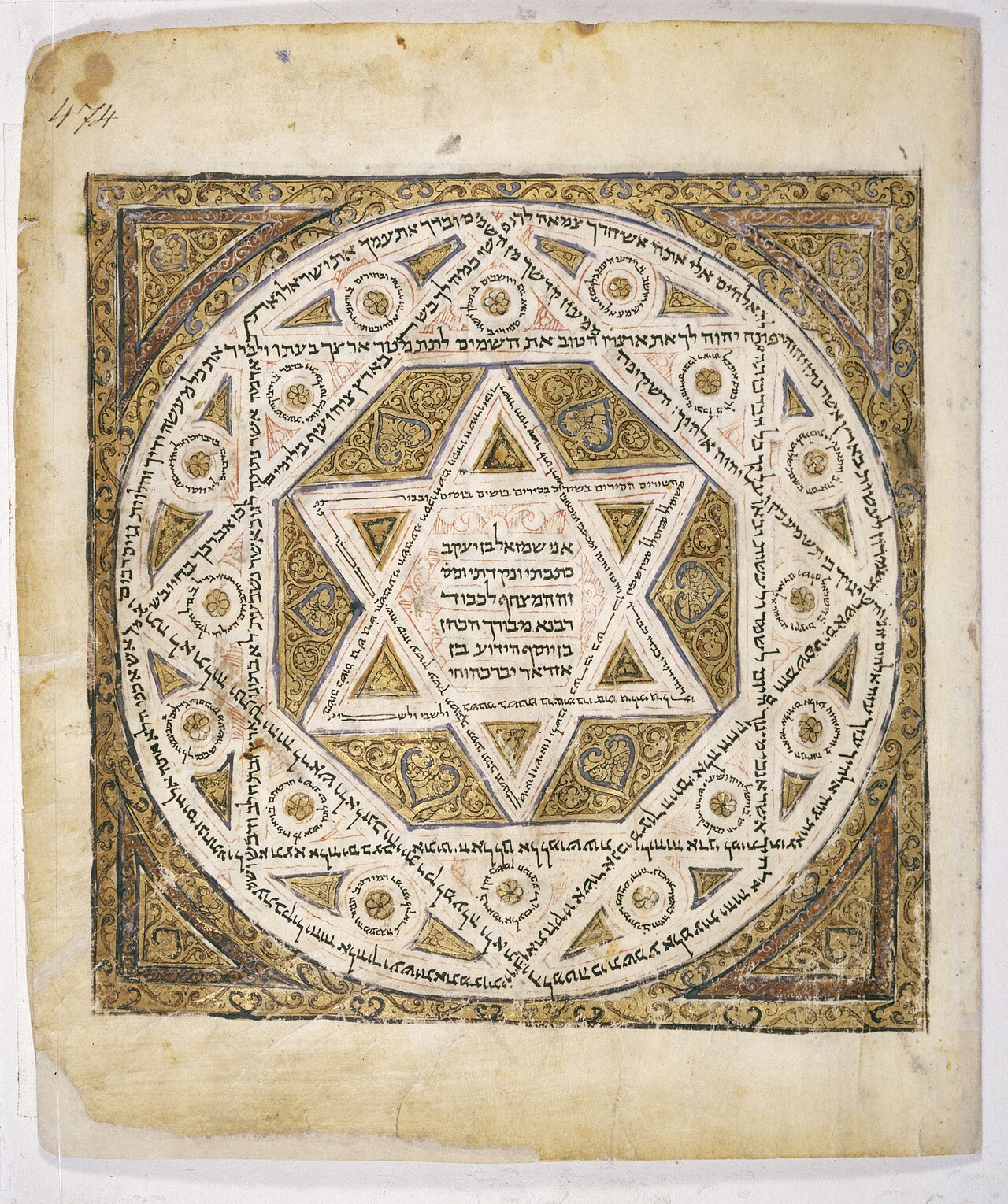
Every human bears the image of God.
B'tzelem Elohim — the opening chapter's claim with the longest reach: one ancestor, the rabbis taught, so that no one may say my father was greater than yours.
B'tzelem Elohim is doing heavy lifting in Jewish ethics, and the rabbis extended it aggressively: the Mishnah reasons from a single created ancestor to the conclusion that no one may claim superior descent, and that each person is obligated to say "the world was created for my sake" — meaning the obligation, not the entitlement. The claim is not that humans are divine but that they bear a likeness that makes contempt for any person a theological error. It grounds the tradition's positions on dignity, on the treatment of the dead, and on capital cases.
And God created humankind in the divine image — in the image of God they were created.
Genesis 1:27The verse the tradition's ethics keep returning to.
Therefore a single person was created first: so that no one may say to another, my ancestor was greater than yours.
Mishnah Sanhedrin 4:5 (rendered)The rabbinic reading — equality derived from a shared origin.
The same ground, other faiths
claims that share this one's ideasSign in to open the first thread. Everything here is attributed.