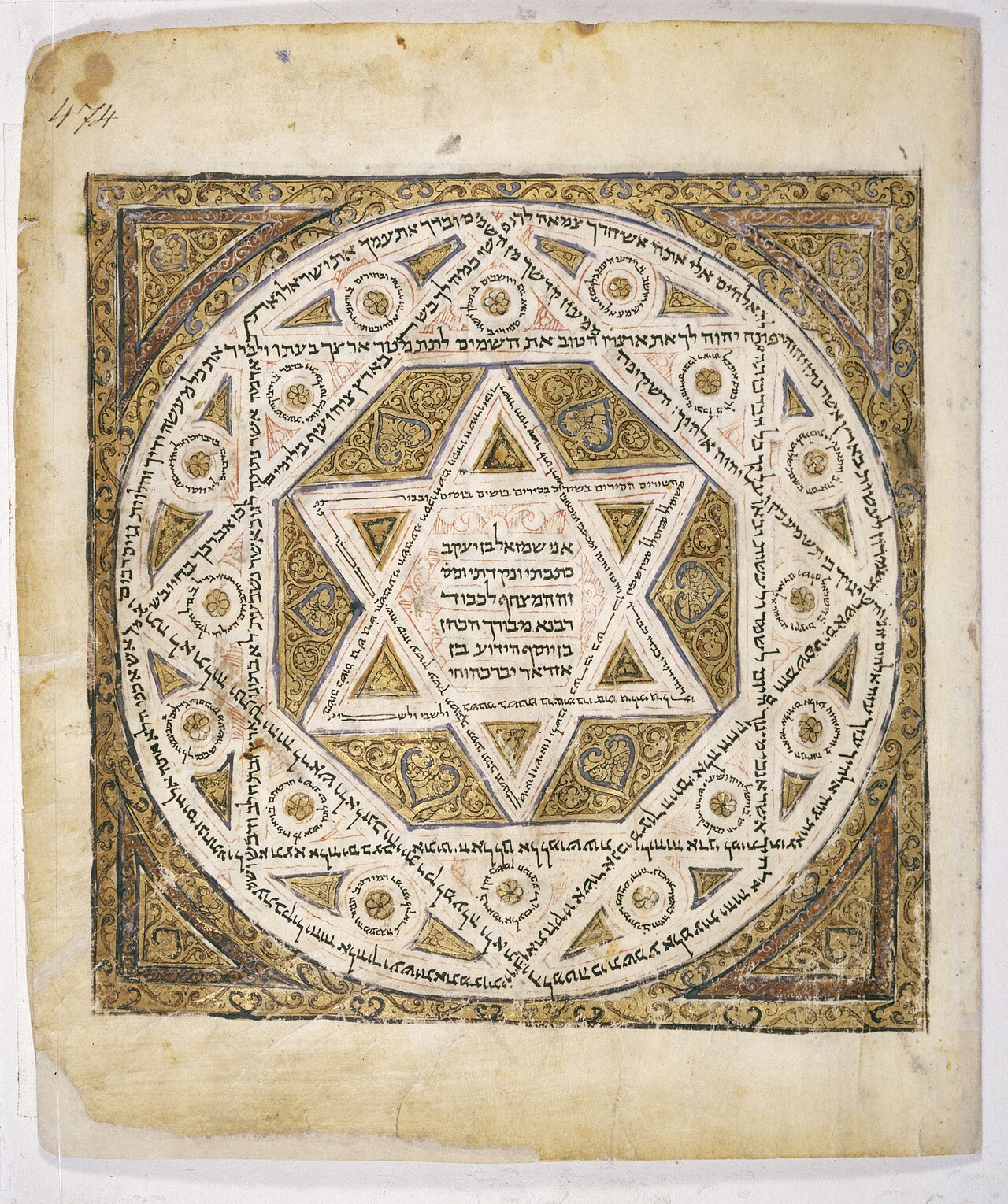
The dead will rise.
Techiyat hametim sits in the second blessing of the Amidah, said standing, three times a day: who revives the dead. Orthodox Jews say it as written. Classical Reform changed the line to who gives life to all, and recent Reform prayer books print both and let the congregation choose.
Bodily resurrection is not a fringe belief here. It is in the second blessing of the Amidah, said standing three times a day, and it is the last of Maimonides' thirteen principles. The rabbinic picture has the dead rise in the messianic age, in the Land, which is part of why Jews are still buried on the Mount of Olives and why Jewish law forbids cremation and generally forbids embalming and autopsy — the body is expected back. Classical Reform, uncomfortable with the physical claim, changed the blessing to mechayei hakol, who gives life to all, and taught immortality of the soul instead; the Reform siddur published in 2007 prints both versions on the page. Conservative prayer books kept the traditional Hebrew while the movement's theology stayed deliberately loose. Ordinary Jewish grief talk, in every movement, runs almost entirely to the soul rather than the body. The liturgy is considerably more literal than the people saying it.
The same ground, other faiths
claims that share this one's ideasSign in to open the first thread. Everything here is attributed.