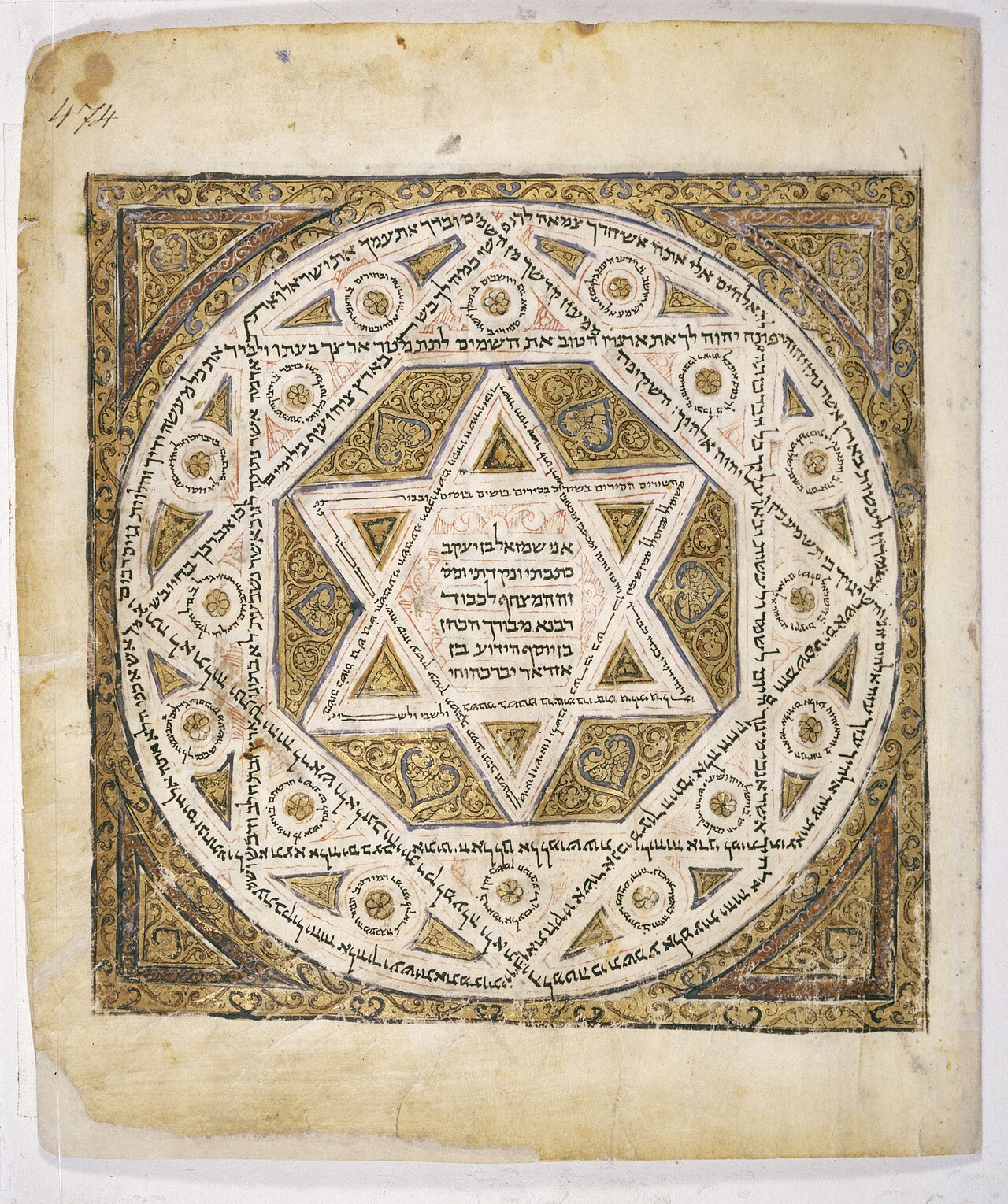
Sinai.
A mountain in smoke, a people gathered below, and the giving of the law — revelation as a collective event.
Sinai is the covenant's legal moment: a whole people, not a prophet, receives the revelation, and the tradition insists on that detail because it makes the covenant collective and unmediated. A famous midrash has God suspending the mountain overhead — accept, or be buried here — which the rabbis themselves flag as a problem for consent, and answer by saying the covenant was freely reaffirmed centuries later. Another tradition holds that every Jewish soul who would ever live was present, which is how conversion is explained: the convert's soul was there too.
All that the LORD has spoken, we will do and we will hear.
Exodus 24:7Do, then hear — the order the rabbis found remarkable.
The same ground, other faiths
claims that share this one's ideasSign in to open the first thread. Everything here is attributed.