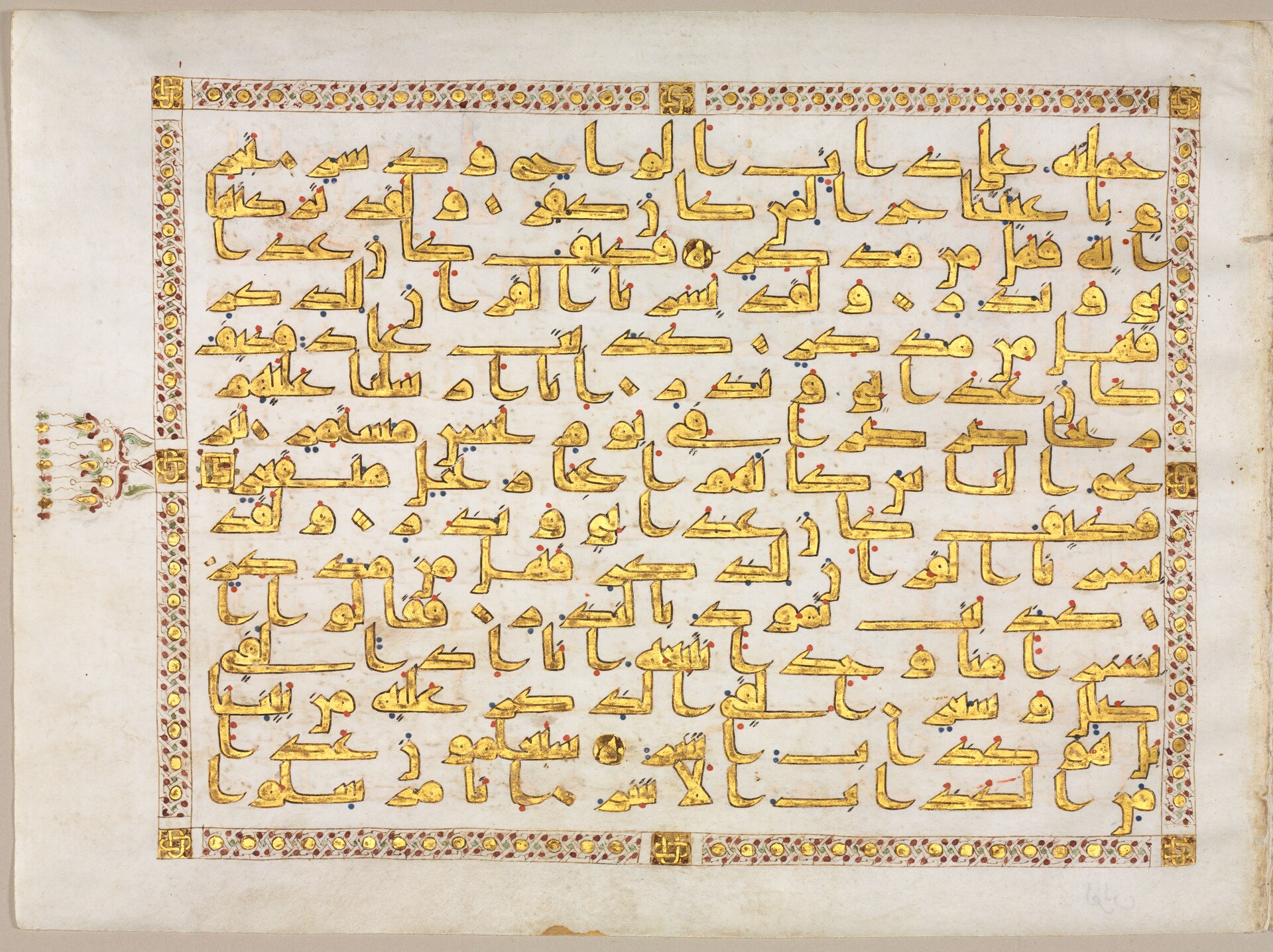
Precept of Islam
Halal — the lawful.
Diet, contracts, conduct — the sharia's daily grammar of permitted and forbidden.
What it asksKeep to what is permitted — in food, in earning, in contract and conduct
Who it bindsAll Muslims; scholars grade acts on a five-point scale from obligatory to forbidden
Where it bitesThe vast middle (mubah — merely permitted) is where most of life sits, a point jurists stress against over-ruling
Understanding it — context, not catechism: how this passage is held
Halal and haram are only two of five categories in Islamic law: obligatory, recommended, permitted, discouraged, forbidden. Jurists have historically stressed that the permitted middle is vast and that treating everything as a binary of allowed and banned is itself an error — the legal maxim is that permissibility is the default and prohibition requires proof. Beyond food, the same grid governs contracts, employment, entertainment, and speech.
The same ground, other faiths
claims that share this one's ideas
The dharma of one's station.
Hinduism
Go deeper →
The Five Precepts.
Buddhism
Go deeper →
Ahimsa at the table.
Jainism
Go deeper →
The commandments are how the covenant is lived.
Judaism · core tenet
Go deeper →
The Ten Commandments.
Christianity
Go deeper →
Whether Sikhs should eat meat.
Sikhism · core tenet
Go deeper →
Sign in to open the first thread. Everything here is attributed.