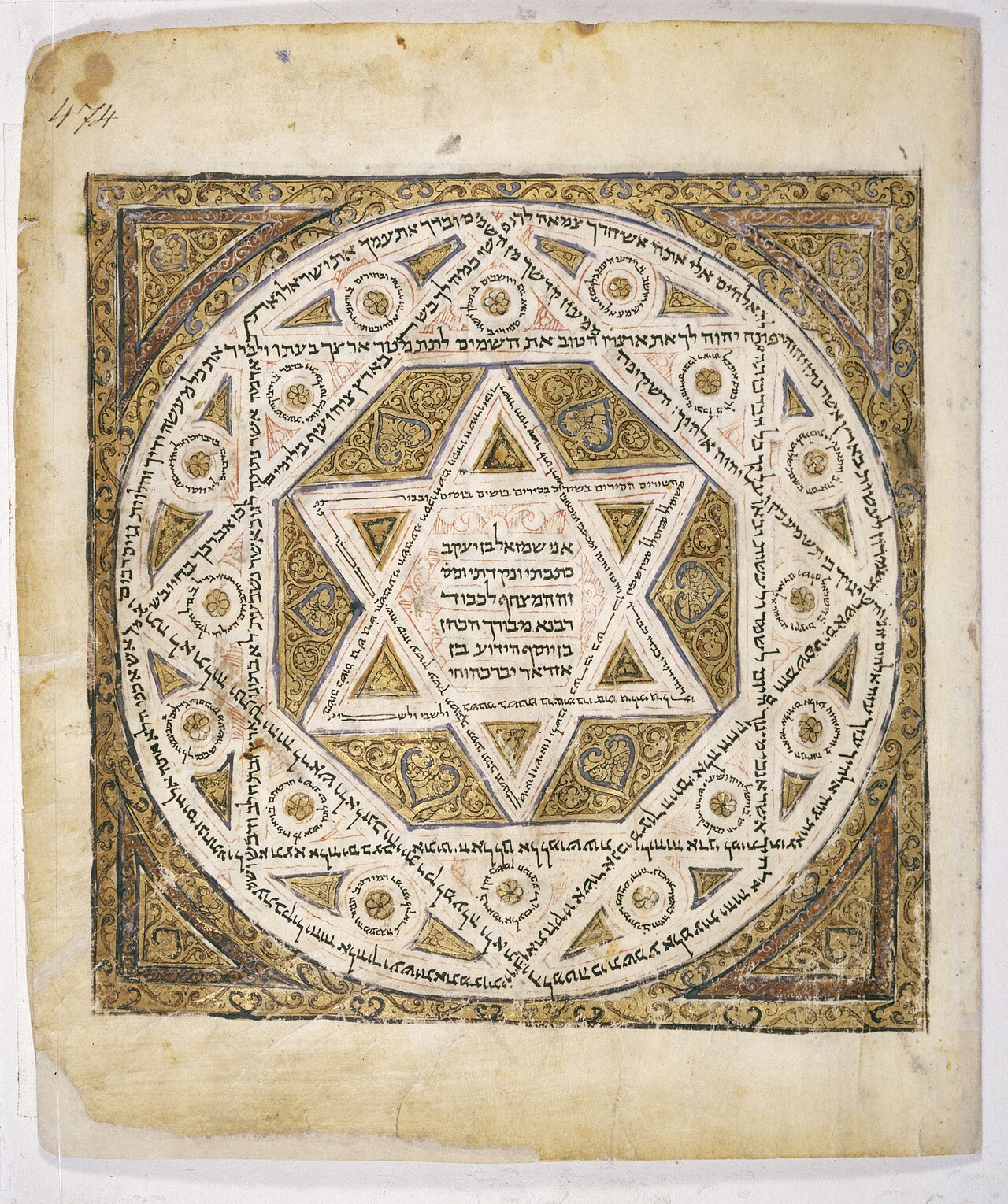
Leningrad Codex carpet page, 1010 CE · public domain

Judaism

Tradition·Founded c. 1000 BCE·est. ~15 million worldwide

Judaism → 8 branches

Branch
Precept of Judaism

To save a life, break the law.

Pikuach nefesh: nearly every commandment is suspended to save a life — the Sabbath is set aside for it, and the one who hesitates is called shedder of blood.

What it asksBreak Shabbat, break the fast, break nearly any commandment to save a human life
Who it bindsEveryone — and it is an obligation, not a permission
Where it bitesThe saved life need not be Jewish, need not be certain, and need not be long: a doubtful chance counts
Understanding it — context, not catechism: how this passage is held

Pikuach nefesh is the principle that shows how the system ranks itself. Nearly the entire law yields to saving a life, and the yielding is mandatory: a doctor who refuses to treat on Shabbat is not pious but culpable. Only three commands are not suspended — idolatry, murder, and forbidden sexual relations. The Talmud derives the rule from "he shall live by them," reading it as: live by them, not die by them.

From the sources — the passages this rests on; concise renderings, cited

You shall keep My statutes and My laws, which a person shall do and live by them.

Leviticus 18:5

Read by the rabbis as: live by them — and not die by them.

The same ground, other faiths

claims that share this one's ideas
The nuns' lineage question. Buddhism · community Go deeper →
What was written down about women. Sikhism Go deeper →
The Heavenly Commandments, as state law. The Taiping Heavenly Kingdom Go deeper →
Ahimsa at the table. Jainism Go deeper →
The good Samaritan. Christianity · story Read it in full →

The conversation

argument stays attached to the claim it is about All discussion →

Sign in to open the first thread. Everything here is attributed.

Built on Hatchable