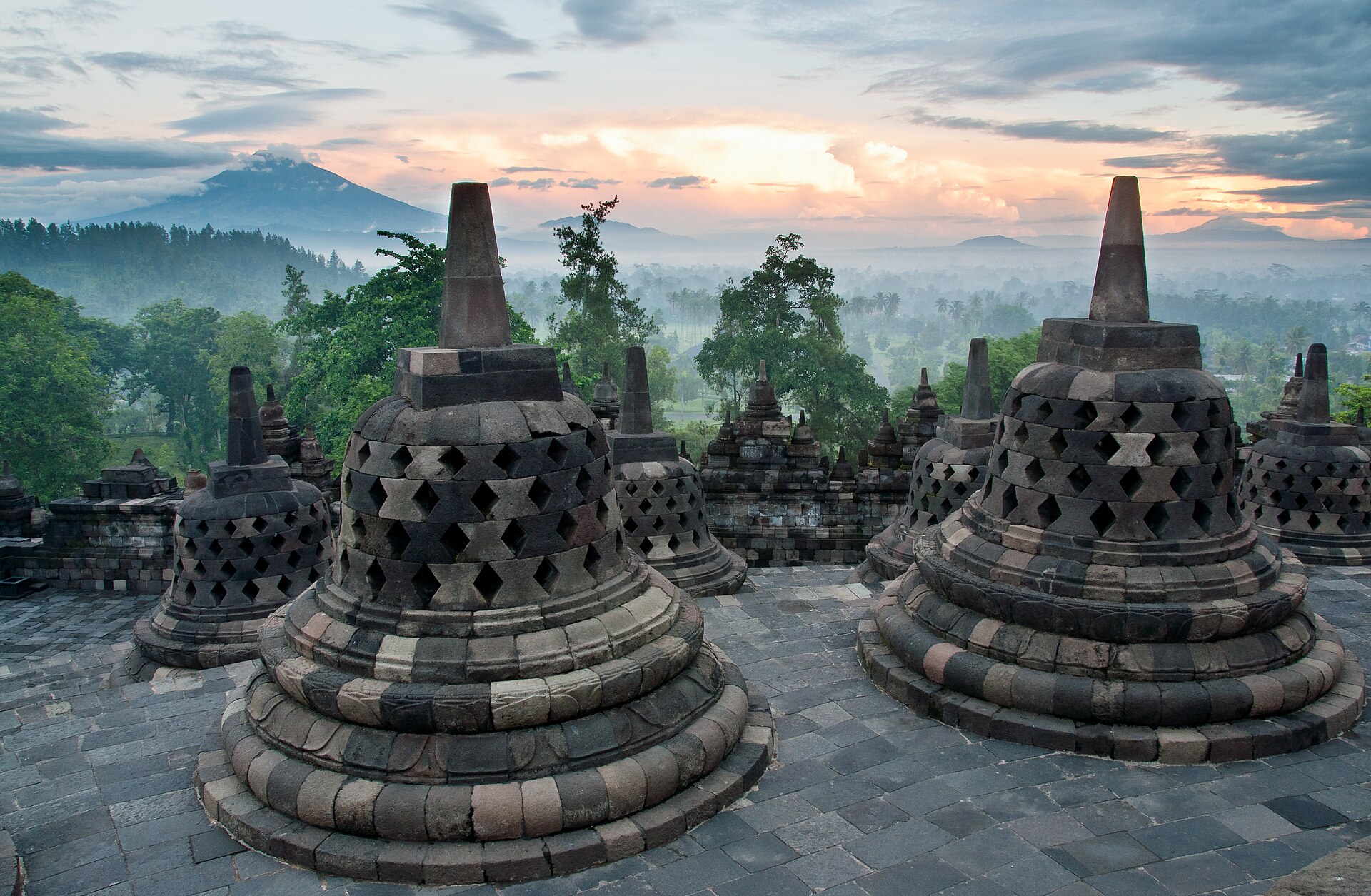
Core tenet of Buddhism
Suffering has a cause, and therefore an end.
Craving conditions dukkha; the eightfold path is the treatment plan.
Understanding it — context, not catechism: how this passage is held
Truths two and three. The cause is tanha — craving, literally "thirst": not desire itself but the clutch in it. Because the unease is produced by a cause, it is not a cosmic sentence; remove the cause and the effect ends. This is the engineering claim at the center of Buddhism — suffering has a mechanism, and mechanisms can be stopped.
From the sources — the passages this rests on; concise renderings, cited
It is this thirst — craving bound up with delight, seeking pleasure now here, now there — that leads to renewed becoming.
Dhammacakkappavattana Sutta — SN 56.11
With the complete fading away and cessation of that very craving — its abandonment, its release — suffering ceases.
SN 56.11, the third truth
The same ground, other faiths
claims that share this one's ideas
Every soul is already omniscient.
Jainism
Go deeper →
Liberation happens while you are alive.
Sikhism
Go deeper →
Knowledge liberates.
Advaita Vedānta
Go deeper →
The arhat completes the path.
Theravāda
Go deeper →
The twenty-two years were a classroom.
Heaven's Gate · story
Read it in full →
Liberation can be engineered.
Aum Shinrikyo
Go deeper →
Sign in to open the first thread. Everything here is attributed.