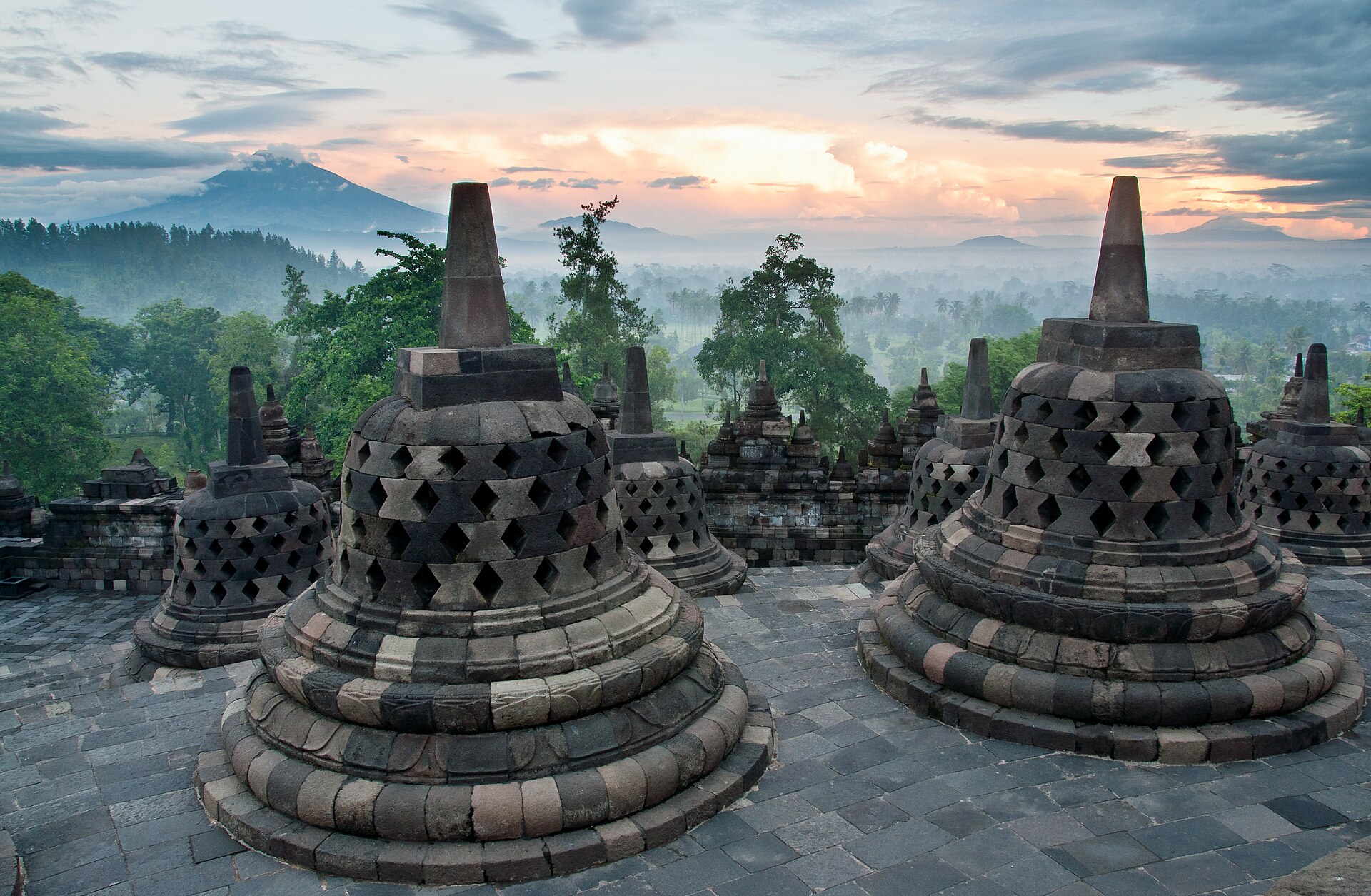
Two Buddhisms in the same city.
A Vietnamese temple and a mindfulness center may sit two streets apart and share almost nothing: different languages, different practices, different reasons for attending. They mostly do not meet.
In most Western cities there are two Buddhisms that barely intersect. One is heritage Buddhism: Vietnamese, Thai, Chinese, Sri Lankan and Tibetan communities with temples that serve as cultural anchors, running funerals, new year festivals and language classes, mostly in the community's own language, with ordained clergy. The other is convert Buddhism: meditation centers, retreat schedules, book-driven, overwhelmingly white and middle-class, led by lay teachers who are often certified in structures invented in the last forty years. They differ on nearly everything — whether devotion is central, whether merit is real, whether rebirth is literal, whether you pay. Scholars have argued about the labels for decades because every available term sounds like a judgment, and both, on any honest reading, are Buddhism.
The same ground, other faiths
claims that share this one's ideasSign in to open the first thread. Everything here is attributed.