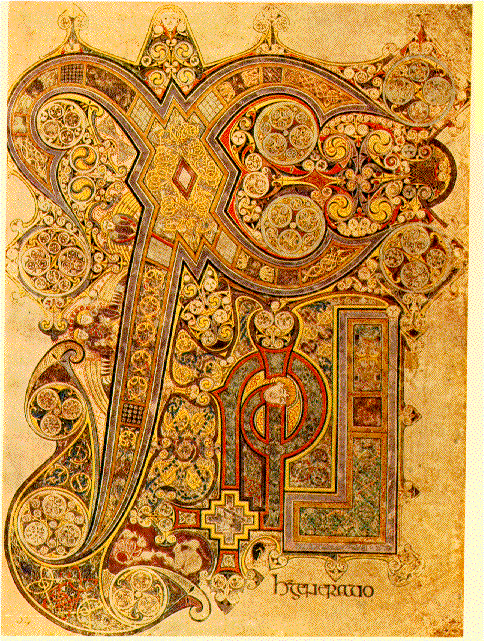
Monastics.
Benedict wrote a rule in the sixth century for people who wanted to stop travelling and stay put; it is still the constitution of Western monasticism. Mount Athos has twenty ruling monasteries and an ancient ban on women setting foot on the peninsula, which EU law has never dislodged.
Benedict wrote his rule around 530 for people who wanted to stop wandering and stay put, and its vow of stability — you remain in this house — is the reason Western monasticism produced libraries, farms and continuity through the collapse of Roman order. The rule is still the working constitution of Benedictine and Cistercian houses. Eastern monasticism is older and less centralised: the Egyptian desert produced it, and Coptic monasteries at Wadi Natrun have been continuously occupied since the fourth century. Mount Athos in northern Greece is a self-governing monastic republic of twenty ruling monasteries, and the avaton, the ban on women entering the peninsula, has stood for over a millennium and survived Greece's accession to the European Union and repeated challenges in the European Parliament. Numbers in Western orders have collapsed since the 1960s while Ethiopian and Coptic monasticism has grown, which is the same demographic story as the rest of the religion.
The same ground, other faiths
claims that share this one's ideasSign in to open the first thread. Everything here is attributed.