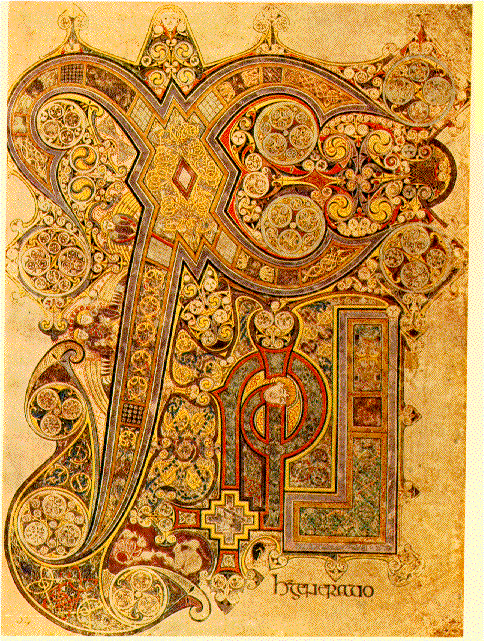
Christ will come again.
The creed's unfinished clause: history has a direction and a judge, and the same figure who came in weakness returns in glory. Every liturgy leans toward it — come, Lord.
The second coming sits in the creed and in the calendar (Advent is about both arrivals), and Christians differ enormously on the details while agreeing on the direction. The main divide is whether the promised reign is future and cataclysmic, present and gradual, or already inaugurated and awaiting completion — and the New Testament supplies material for each. What the doctrine functionally does is deny that history is a circle or an accident: it has an end, and the end is a person rather than a state of affairs.
Amen. Come, Lord Jesus.
Revelation 22:20The Bible's second-to-last verse — the whole doctrine as a two-word prayer.
The same ground, other faiths
claims that share this one's ideasSign in to open the first thread. Everything here is attributed.