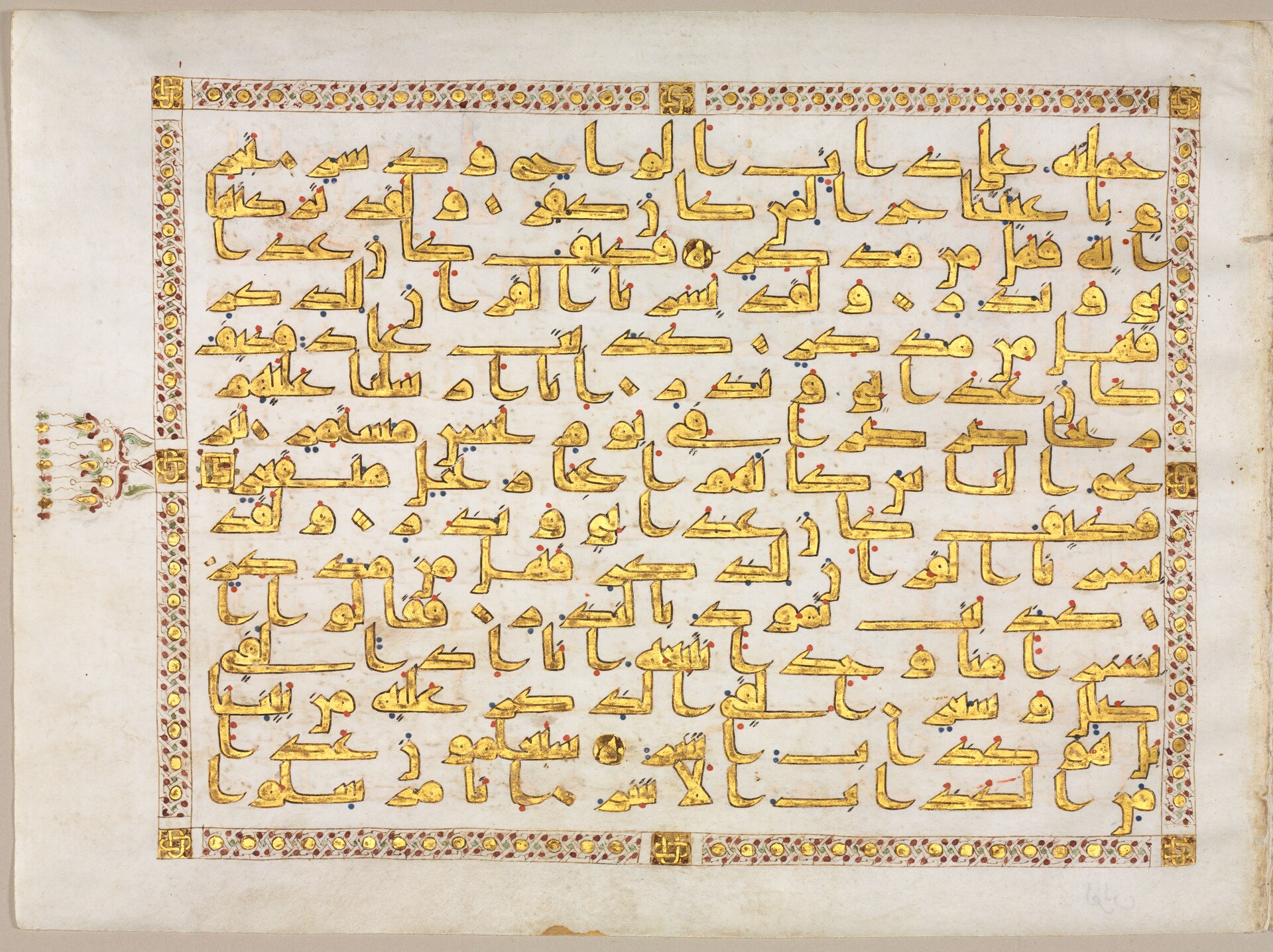
The People of the Book are not idolaters.
Jews and Christians get a category of their own — their food lawful, their women marriageable, their scripture partly acknowledged, their churches protected. Historically that came bundled with dhimmi status: protection, a poll tax, and legal subordination. What replaces the category inside a modern state is being argued out right now.
Ahl al-Kitab is a legal category before it is a theological compliment, and it carries real consequences: the food of the People of the Book is lawful, a Muslim man may marry a Christian or Jewish woman, and their places of worship are protected in classical law. Zoroastrians were generally added; Hindus and Buddhists were added in practice in India and Persia when the alternative was unworkable. The historical settlement was dhimma — protection in exchange for the jizya tax and a set of legal disabilities — which was more tolerant than contemporary Christian Europe and is not tolerable by modern civic standards, and Muslim scholars mostly say so. In 2019 Nahdlatul Ulama, the largest Muslim organization in the world, formally recommended dropping the term kafir for non-Muslim citizens in favour of muwathinun, fellow citizens, on the grounds that the classical categories no longer describe anything real. In 2016 the Marrakesh Declaration made a parallel argument from the Constitution of Medina.
Do not dispute with the People of the Book except in the best way — and say: we believe in what was sent down to us and sent down to you; our God and your God is one.
Quran 29:46 (rendered)Quoted at the head of most modern Muslim interfaith documents.
The same ground, other faiths
claims that share this one's ideasSign in to open the first thread. Everything here is attributed.