Your parents have a claim on you.
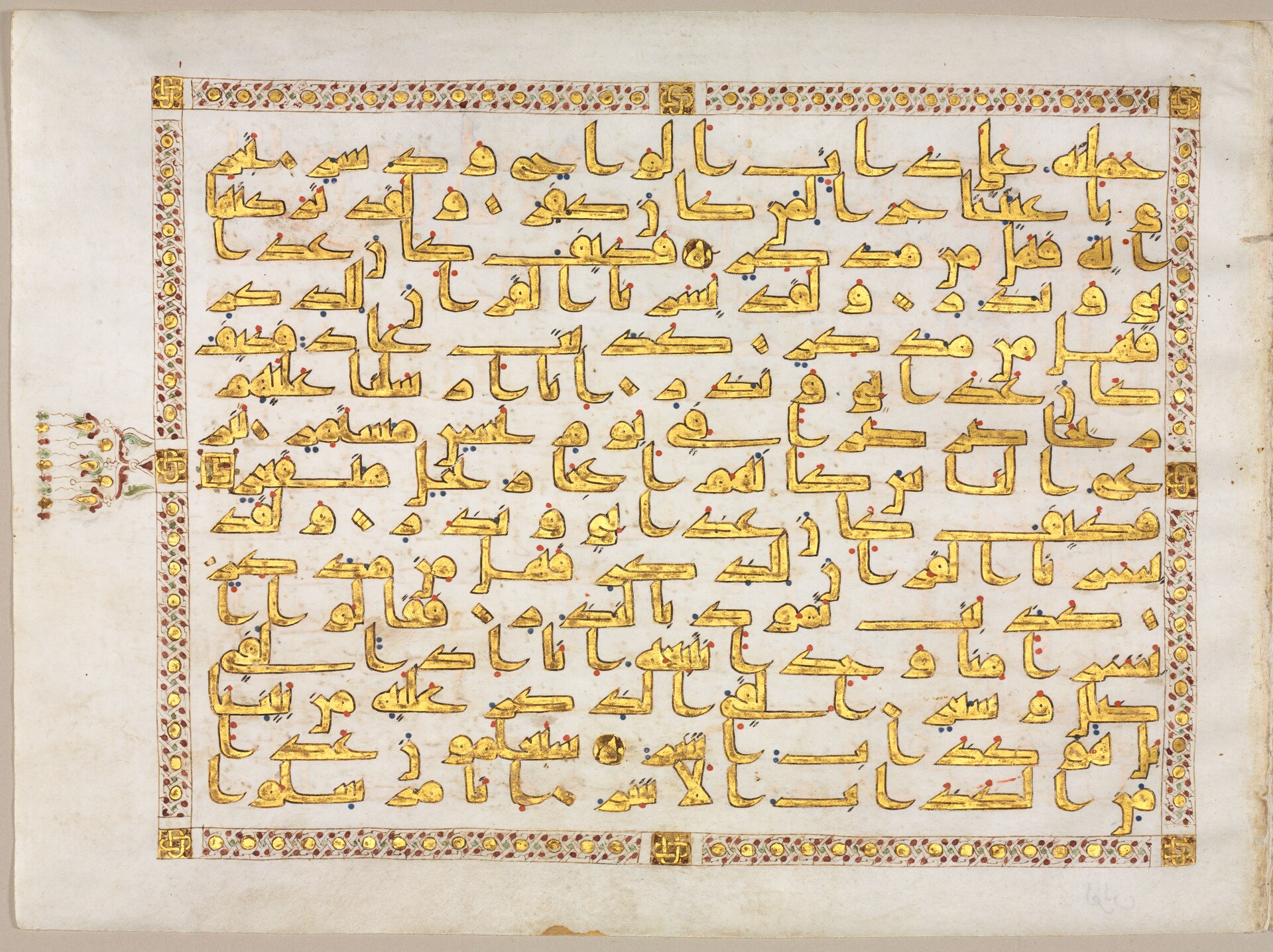
Birr al-walidayn sits directly beside worship in the Quran — serve God, and be good to parents, in the same breath. It is the ethical obligation Muslim families enforce most visibly and complain about most quietly.
Filial obligation in Islam is not sentiment; it is closer to a debt with no expiry. The Quran pairs it with worship four separate times, and the specific prohibition — do not say uff, the Arabic equivalent of an exasperated sigh — is quoted at children as young as five. The duty is explicitly independent of the parents' religion: a companion asked about serving a mother who was still a polytheist and was told to keep her company well. It also has legal teeth in classical fiqh, where support of indigent parents is enforceable. The friction now is demographic. Diaspora and urban Muslim families face the same eldercare arithmetic everyone else does, and residential care is read by many as a public failure, which produces private guilt and, increasingly, open discussion in Muslim community spaces about what the duty actually requires versus what the culture demands.
The same ground, other faiths
claims that share this one's ideasSign in to open the first thread. Everything here is attributed.