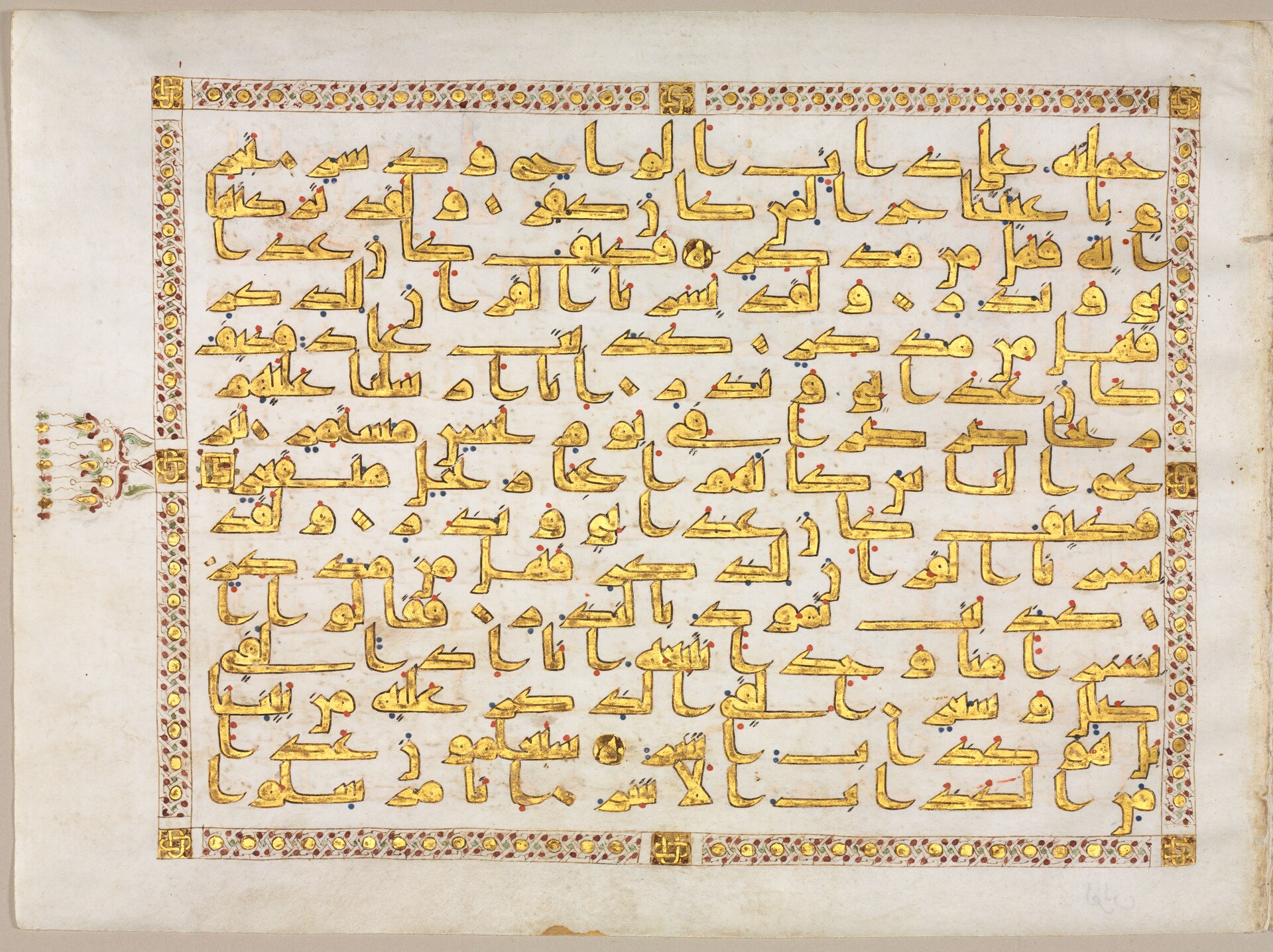
Precept of Islam
Adab — the courtesies.
Greet first, honor the elder, begin with the right hand, speak well or be silent: a civilization's manners codified as devotion in miniature.
What it asksGreet first, honor age, use the right hand, keep promises, speak well or stay silent
Who it bindsEveryone, at every scale — adab governs the mosque and the dinner table alike
Where it bitesNot law but character: unenforceable, and therefore the truest measure the tradition has
Understanding it — context, not catechism: how this passage is held
Adab is the layer of Islam that no court enforces and every Muslim recognizes: the etiquette of greeting, hosting, eating, addressing elders, entering a room. Sufi orders in particular treated it as the entire path in miniature — the sheikh's adab toward a guest teaching more than a lecture could. Because it is unenforceable, the tradition tends to regard it as the more honest measure of formation than ritual observance is.
The same ground, other faiths
claims that share this one's ideas
Washing feet.
Christianity · rite
Go deeper →
The ministry.
Jehovah's Witnesses · rite
Go deeper →
The consultation.
Haitian Vodou · rite
Go deeper →
The celebrant at the crematorium door.
Secular Humanism · rite
Go deeper →
Ritual sustains the order of the world.
Vedic Religion · core tenet
Go deeper →
Dharma sustains the cosmos; to live rightly is to live in accord with it.
Hinduism · core tenet
Go deeper →
Sign in to open the first thread. Everything here is attributed.