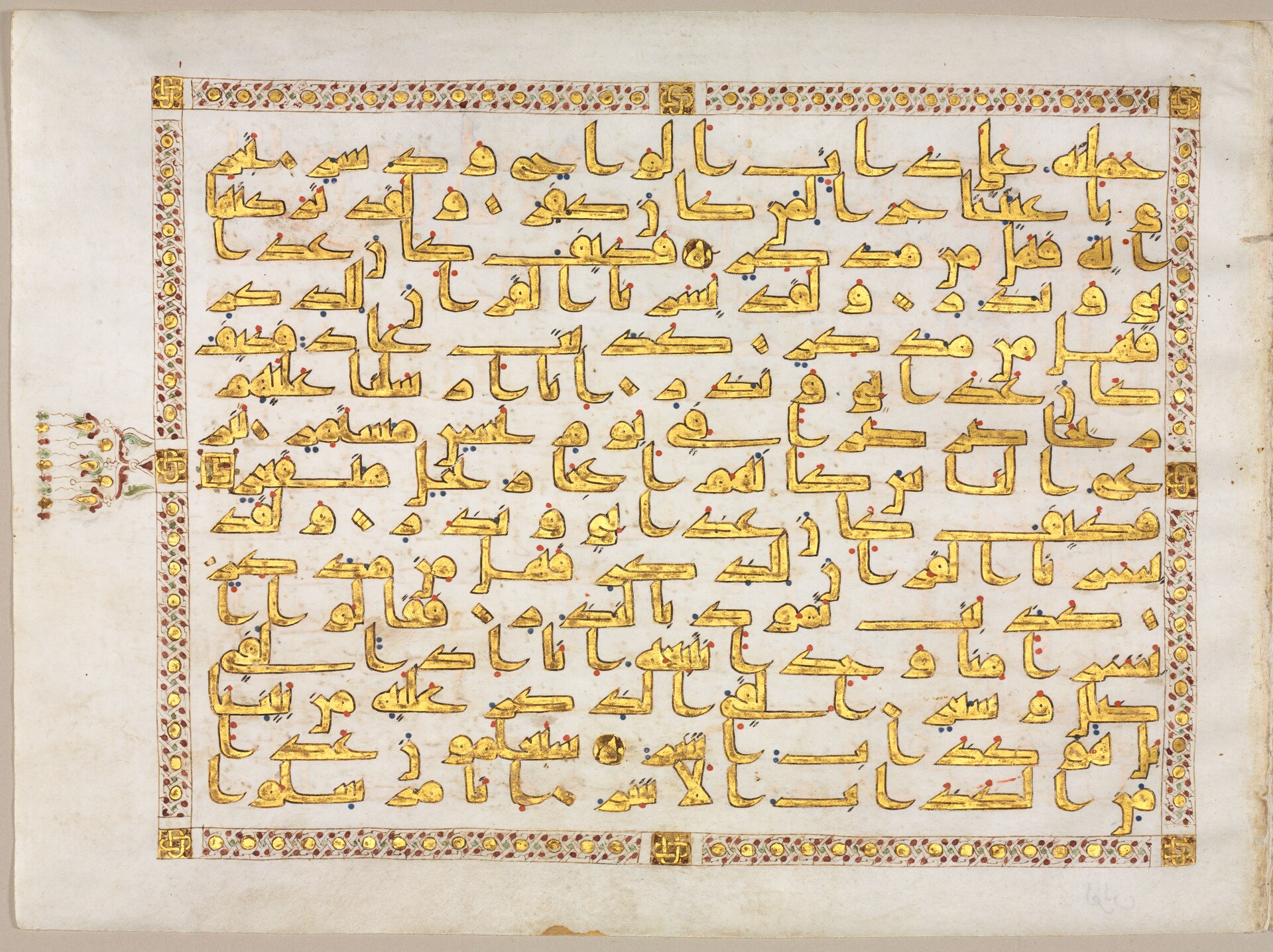
The waqf.
Property signed over permanently, its income running a mosque, a school, a well, a hospital or a soup kitchen, with a deed that cannot be revoked. Waqf funded most public services in the pre-modern Muslim world. Colonial and post-colonial states seized, froze or nationalised much of it, and unpicking that is a live legal fight from Algeria to India.
Waqf is a permanent endowment: property given irrevocably, with the income directed to a purpose named in the deed — a mosque, a madrasa, a well, a hospital, a soup kitchen, a fund to pay off debtors, in some documented cases a fund to replace dishes broken by servants so they would not be beaten. It cannot be sold, inherited or reclaimed. Because there was no state welfare apparatus, waqf funded most of the public infrastructure of the pre-modern Muslim world, and enormous proportions of arable land in the Ottoman Empire were held this way. Family waqf also functioned to protect estates from division. Colonial administrations and then post-independence states seized, nationalised or froze much of this — the process is documented in Algeria, Egypt, India and the Balkans — and the modern argument over restoring and modernising waqf is a serious policy question in Malaysia, Turkey, Indonesia and India, where the Waqf Board disputes are politically charged. The institution is also one of the reasons Islamic finance has a genuine indigenous tradition of endowment and trust law rather than an imported one.
The same ground, other faiths
claims that share this one's ideasSign in to open the first thread. Everything here is attributed.