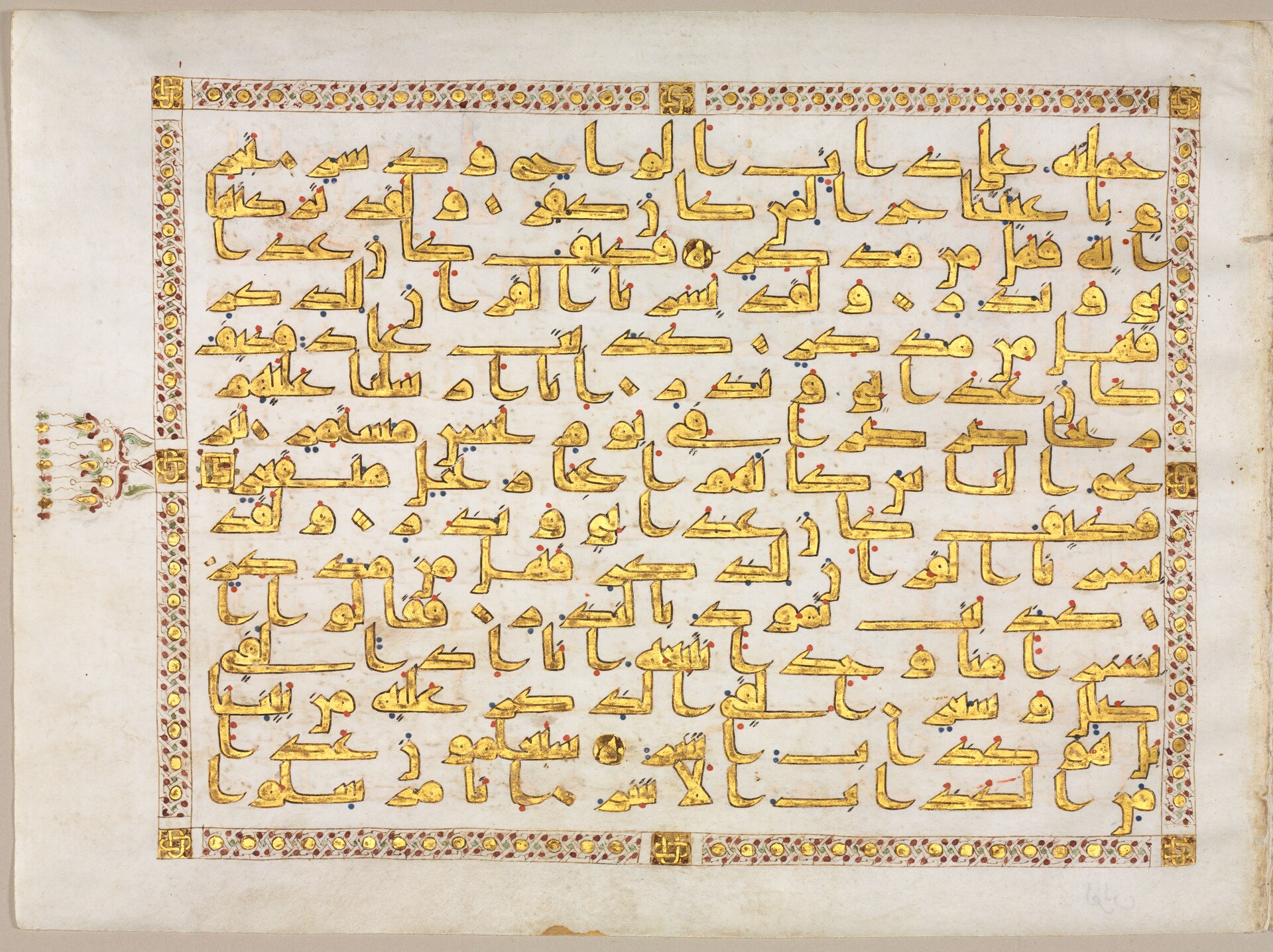
Zakat — the alms rate.
A fixed share of wealth owed annually to the poor — purification of what remains.
Zakat is a tax on wealth, not income, which makes it structurally unlike almost every modern charitable norm: it falls on what has been sitting for a year, at 2.5%, and it deliberately erodes hoards. The Quran fixes eight categories of recipient — the poor, the needy, those who administer it, those whose hearts are to be reconciled, captives, debtors, those in God's cause, and travelers — and classical Islamic states collected and distributed it as public finance. Voluntary giving beyond it has its own name, sadaqa.
Alms are for the poor and the needy, and those employed to administer them, and those whose hearts are to be reconciled, and for freeing captives and debtors, and in the cause of God, and for the traveler.
Quran 9:60The eight categories — fixed in the text, not left to the giver.
The same ground, other faiths
claims that share this one's ideasSign in to open the first thread. Everything here is attributed.