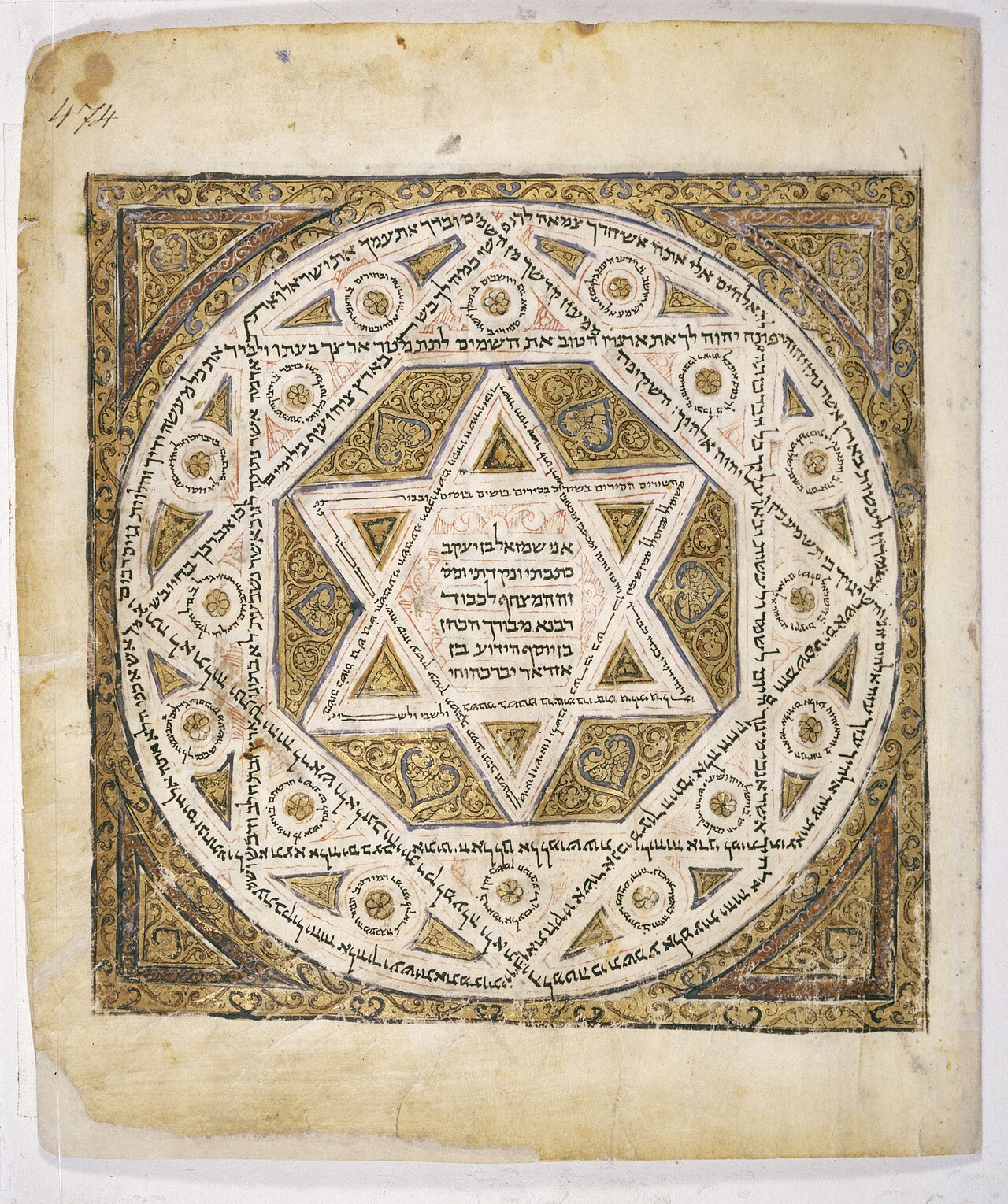
Honour your father and your mother.
The fifth commandment, and the only one with a stated reward. The Talmud's example of perfect honour is a gentile — Dama ben Netina, who refused to wake his sleeping father to complete a large sale.
Kibbud av va-em is legislated as behaviour rather than sentiment, which is what makes it survivable. The Talmud defines honour as providing food and drink, clothing, and physically helping a parent in and out, and defines reverence as not sitting in their seat, not contradicting them in public and not calling them by name. It then works through the cases that actually arise: a parent who is losing their mind, a parent who throws money into the sea in front of their child, a parent who orders their child to break a commandment — which the child must refuse, because both are equally obligated. Maimonides rules that a child unable to bear a parent's dementia may leave and appoint others to provide the care, which is one of the more humane pieces of medieval law anywhere. The rabbinic exemplar of the commandment is deliberately a non-Jew: Dama ben Netina of Ashkelon, who lost an enormous sale rather than wake his father to fetch a key from under his pillow. The commandment carries no requirement to feel warmly, and the tradition's handling of abusive parents in contemporary responsa has moved, unevenly, toward permitting distance.
The same ground, other faiths
claims that share this one's ideasSign in to open the first thread. Everything here is attributed.