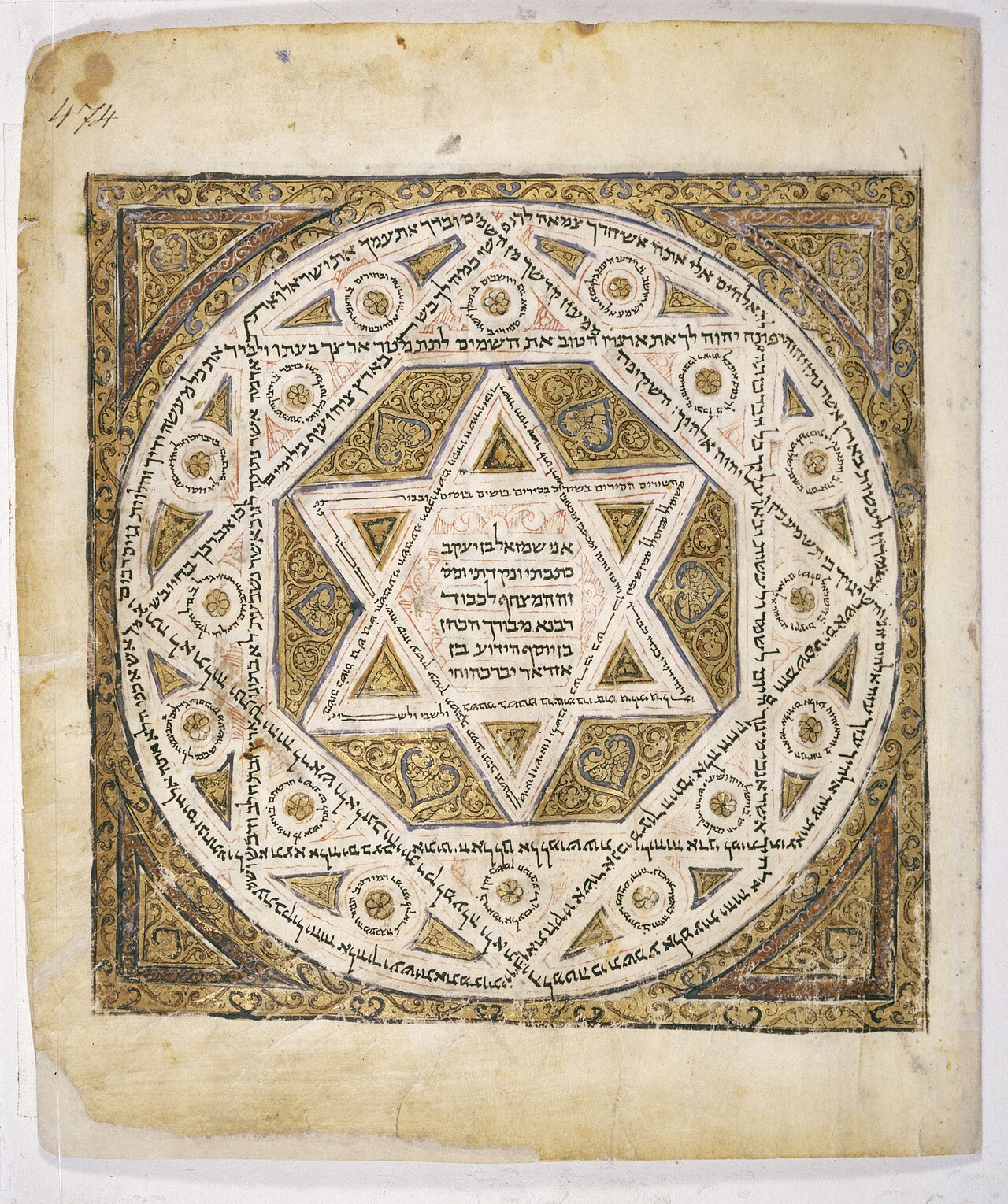
Precept of Judaism
Kashrut — the dietary law.
What may be eaten and how — the table as a daily site of discipline and identity.
What it asksEat only what is permitted, slaughtered rightly, and never mixed — meat with milk kept wholly apart
Who it bindsJews; the degree of observance is the clearest denominational marker there is
Where it bitesThe separation of meat and milk is rabbinic extension from three words in Exodus — the classic case of the fence around the law
Understanding it — context, not catechism: how this passage is held
Kashrut is the clearest case in Judaism of law whose reasons are not given. The Torah lists permitted and forbidden animals without explanation, and the tradition's dominant answer has been that obedience without a rationale is exactly the test — these are chukim, decrees, as opposed to laws reason could have derived. The meat-and-milk separation is built out from a single repeated phrase about not boiling a kid in its mother's milk, and the extension is rabbinic, which is why Karaites reject it.
The same ground, other faiths
claims that share this one's ideas
The dharma of one's station.
Hinduism
Go deeper →
The Five Precepts.
Buddhism
Go deeper →
Ahimsa at the table.
Jainism
Go deeper →
The Ten Commandments.
Christianity
Go deeper →
Halal — the lawful.
Islam
Go deeper →
Whether Sikhs should eat meat.
Sikhism · core tenet
Go deeper →
Sign in to open the first thread. Everything here is attributed.