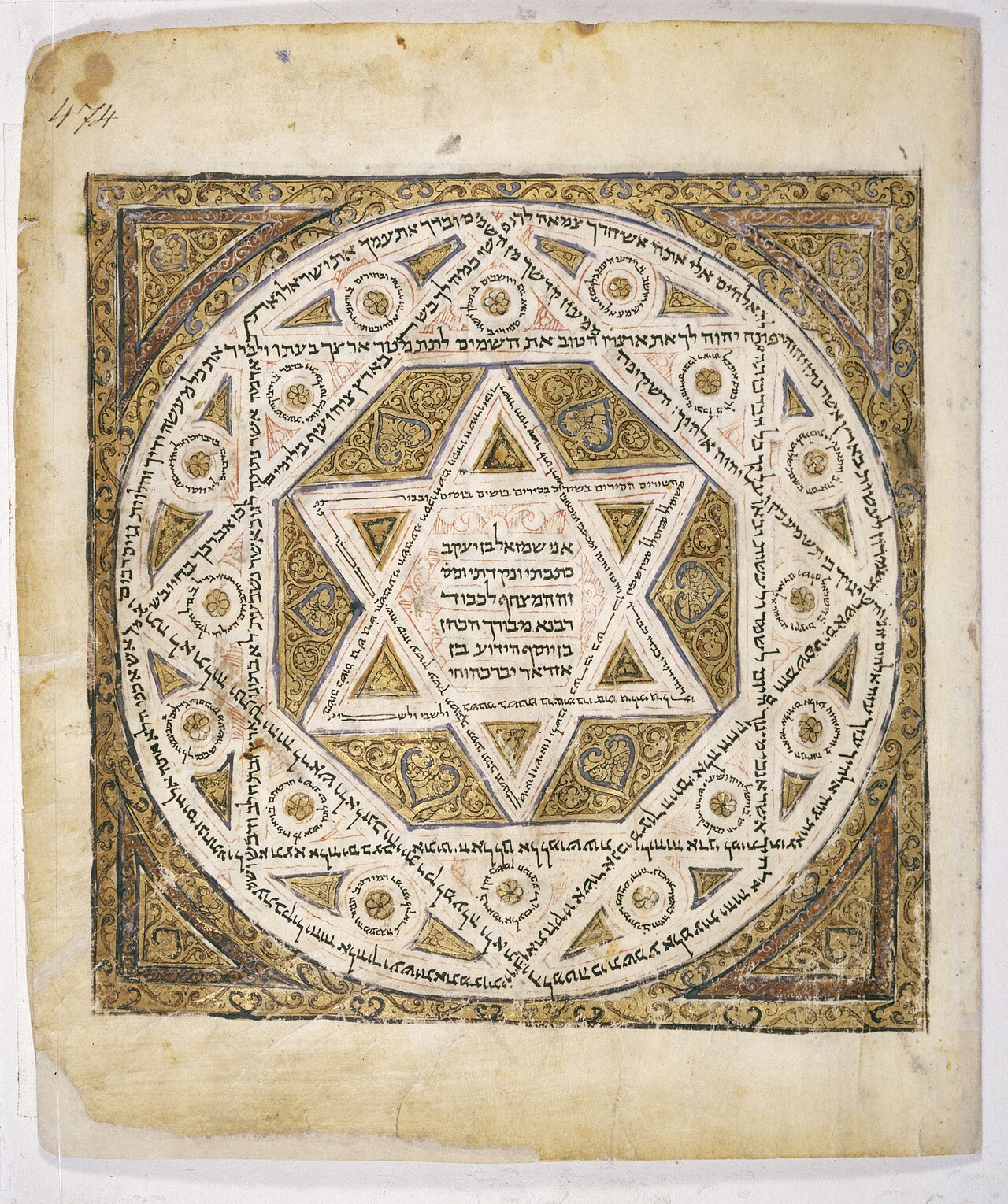
Devekut — cleaving.
Bittul, self-annulment, is its far edge — the sense that only God is real and the self is a manner of speaking. The Vilna Gaon's circle read all of this as permission to stop learning, which is roughly what the 1772 ban said.
Devekut, cleaving, is the goal Hasidism put at the centre and the reason it was fought. The Baal Shem Tov taught that a person can be attached to God continuously — not only in prayer and study but while eating, doing business and walking — because the divine is present in everything and the work is to notice it. This democratised the mystical life: it did not require literacy, and it made an unlearned Jew's day a possible site of union, which was precisely the objection. The Vilna Gaon and the Lithuanian rabbinate read it as licence to neglect study, saw the changed prayer rite and the delayed prayer times as breaches of the law, and put the movement under a ban in 1772 that was renewed and hardened afterwards. Chabad developed the furthest version, bittul, the annulment of the self, taught systematically in the Tanya, holding that from God's perspective the created world has no independent existence at all. Whether that is monotheism taken to its conclusion or a step outside it was the theological heart of the dispute, and both sides eventually stopped arguing without either conceding.
The same ground, other faiths
claims that share this one's ideasSign in to open the first thread. Everything here is attributed.