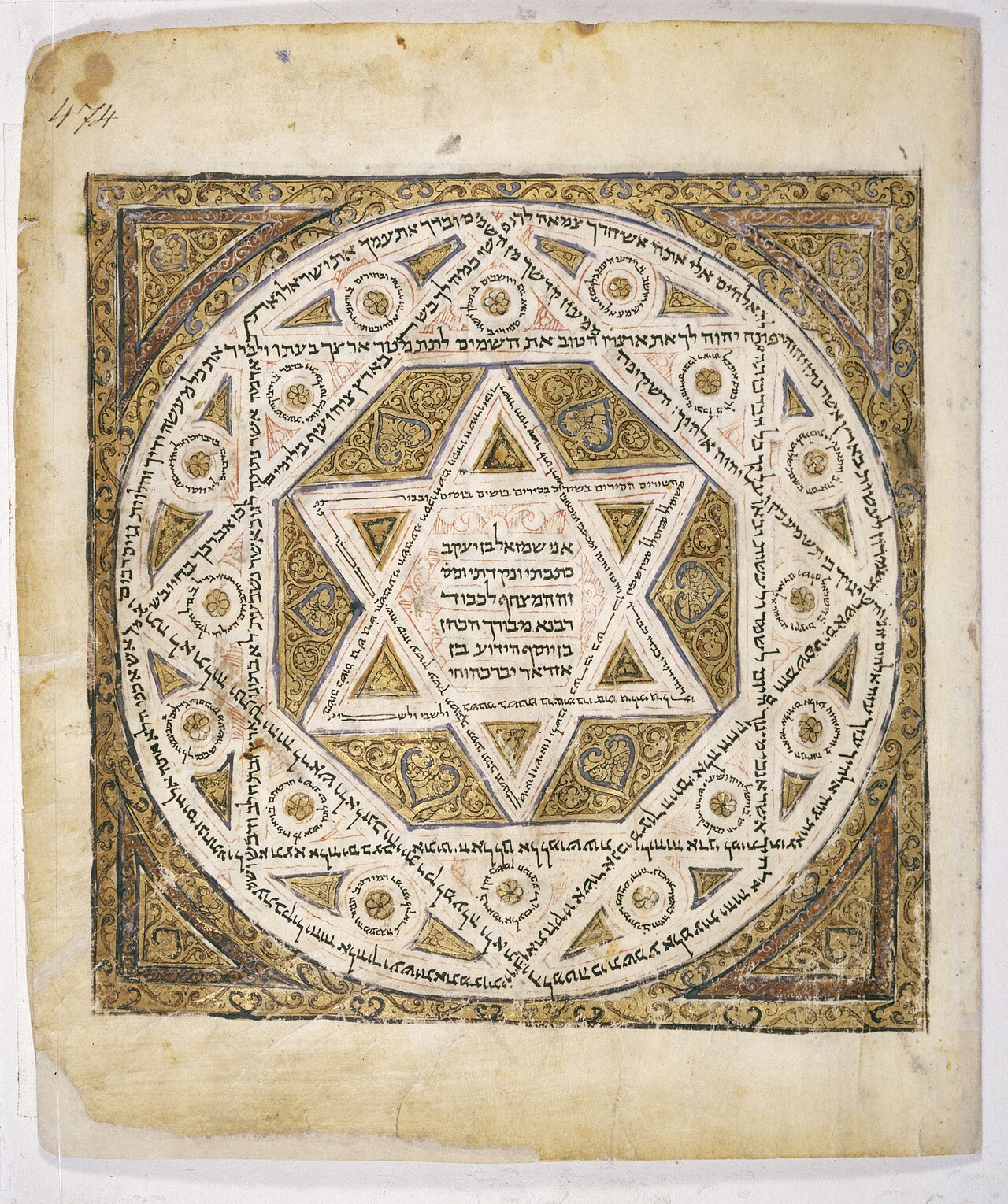
Teshuvah — the turn.
Available every day and concentrated once a year, which is deliberate design. The Yom Kippur confession is alphabetical and plural, so nobody has to identify which line is theirs and nobody gets to claim none of them are.
Teshuvah is the tradition's optimistic doctrine and it is structured rather than emotional. The midrash lists it among the things created before the world, on the reasoning that a world without a way back could not stand. It is available every day — the daily Amidah has a blessing for it — and concentrated into the month of Elul and the ten days between Rosh Hashanah and Yom Kippur, which is a deliberate design choice: a deadline makes people do the thing. The Yom Kippur confession is recited in the plural and in alphabetical order, twice, standing, with a fist struck against the chest at each line. The plural is doing real work: nobody has to identify which items are theirs, nobody can claim that none of them are, and the community takes responsibility collectively for what its members did. Maimonides insists the change must be behavioural and demonstrable, and the tradition's striking claim is that a person who has genuinely returned stands in a place the never-guilty cannot reach.
The same ground, other faiths
claims that share this one's ideasSign in to open the first thread. Everything here is attributed.