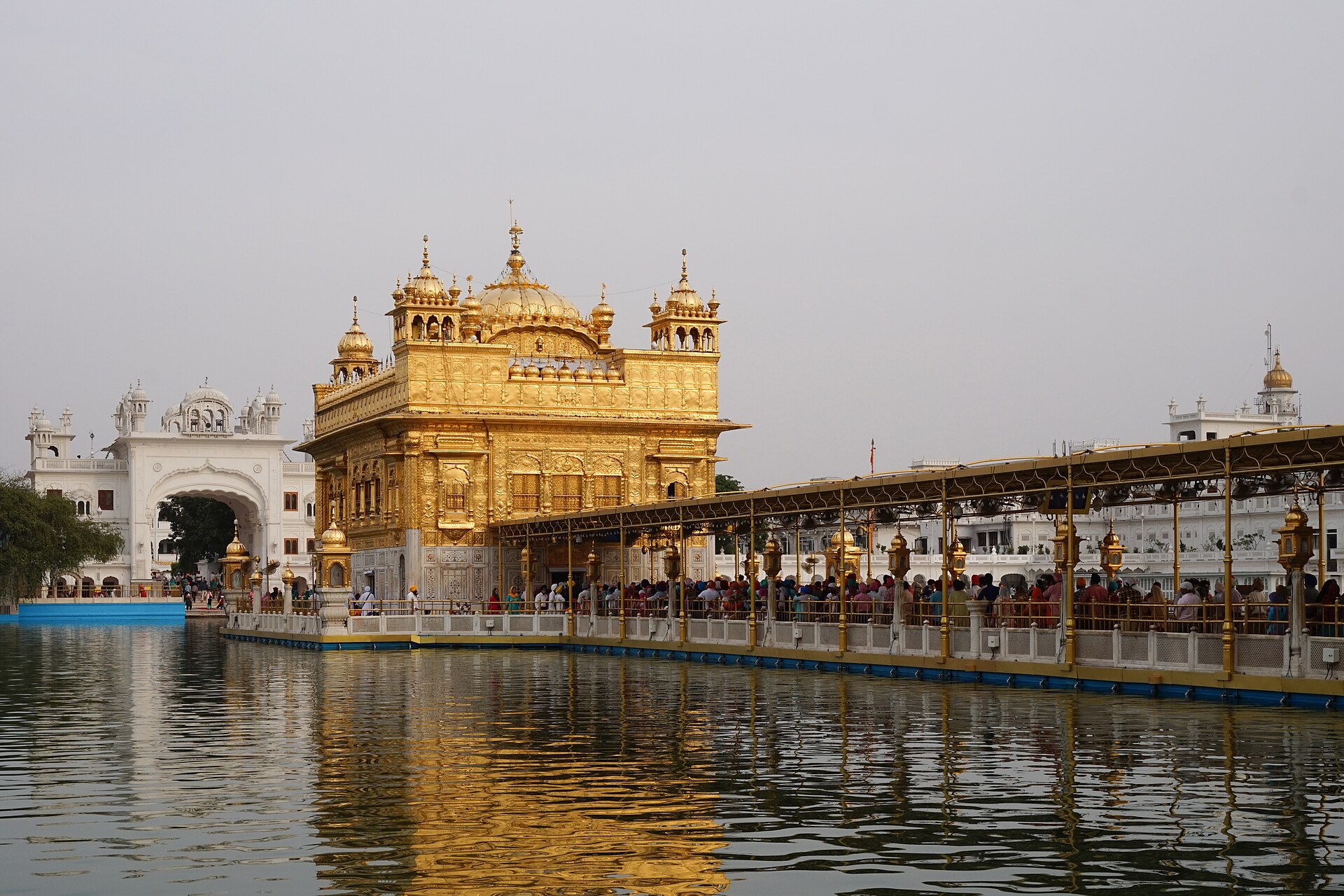
Sikhi is its own religion, not a Hindu reform movement.
The Singh Sabha settled this inside the Panth by about 1900; Indian law did not follow. Article 25 of the constitution still files Sikhs under the Hindu heading for personal law, and Sikh bodies have objected in writing since the constituent assembly.
That Sikhi is a distinct religion has been the settled position inside the Panth since the Singh Sabha reformers won the argument in the late nineteenth century, against a Sanatan Sikh current that saw it as a Hindu school. The unsettled part is legal and it rankles. Article 25 of the Indian constitution includes an explanation stating that reference to Hindus includes persons professing the Sikh, Jain and Buddhist religions, which subordinates Sikh personal law to Hindu personal law; the Sikh member Hukam Singh signed the constitution under protest over it. The Anand Marriage Act of 1909 gave Sikh weddings statutory recognition but was not enforced, and Sikh marriages were registered under the Hindu Marriage Act until a 2012 amendment finally provided for registration as Anand Karaj — and several Indian states took years to notify the rules. For a diaspora community that is routinely miscounted, this is not a technicality; it is the reason Sikh census campaigns exist in Britain, Canada and India.
The same ground, other faiths
claims that share this one's ideasSign in to open the first thread. Everything here is attributed.