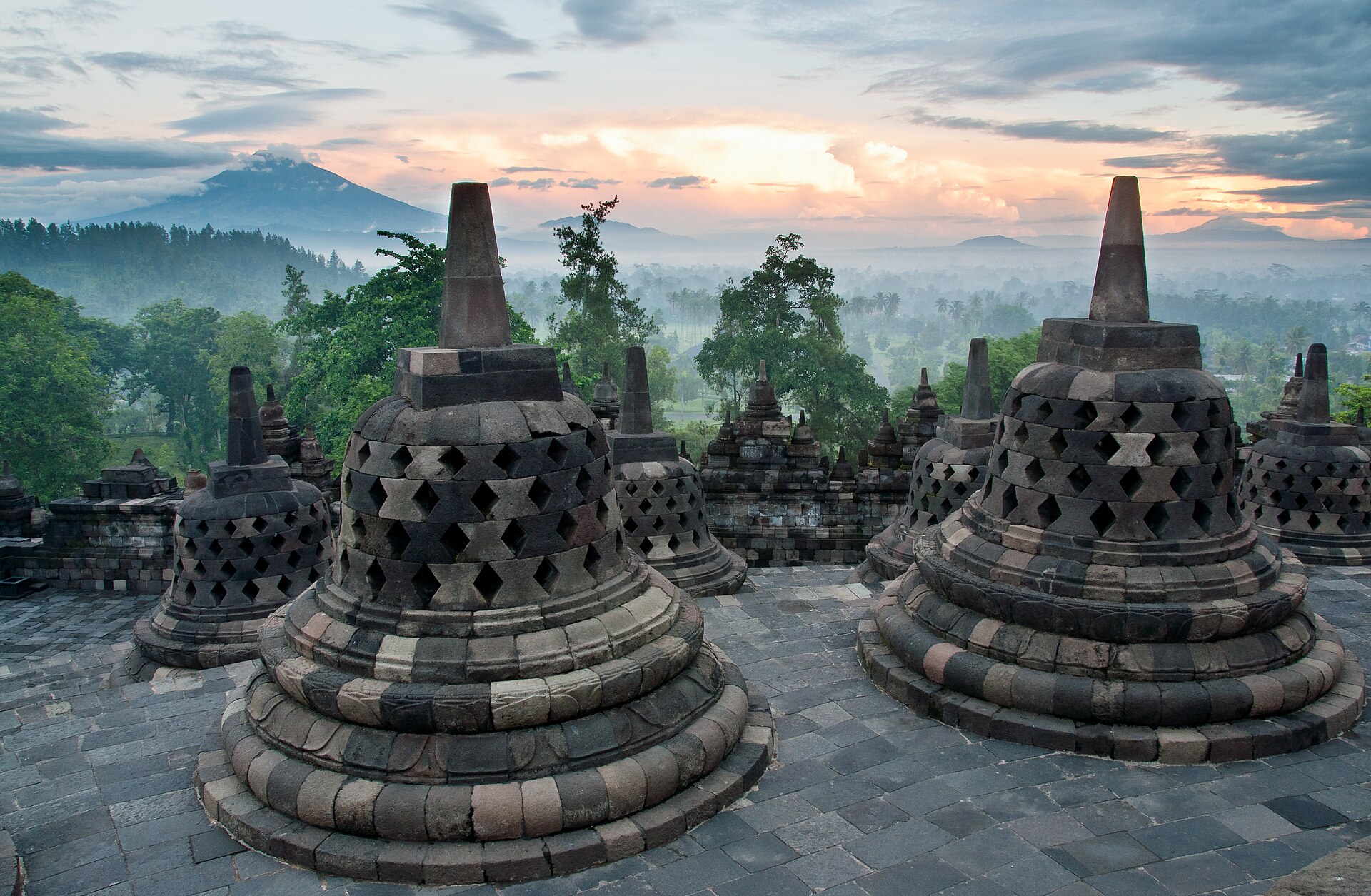
Mind precedes all things.
The Dhammapada opens here: what we are arises from what we have thought. The world you live in is not the world — it is the one your mind has been rehearsing.
The Dhammapada opens with mind as the forerunner of all states, and the two verses that follow are a matched pair: speak or act with a corrupted mind and suffering follows like the cartwheel behind the ox; speak or act with a clear one and happiness follows like a shadow that does not leave. It is not a claim that thinking makes things so. It is a claim about causation running the other way from where most people look for it — that the quality of experience is set upstream of circumstance, in intention, and that this is the leverage point the whole path works on.
Mind precedes all things; mind is their chief, they are mind-made. Speak or act with a clear mind and happiness follows like a shadow that never leaves.
Dhammapada 1–2 (rendered)The opening lines of the most-read text in the tradition.
The same ground, other faiths
claims that share this one's ideasSign in to open the first thread. Everything here is attributed.