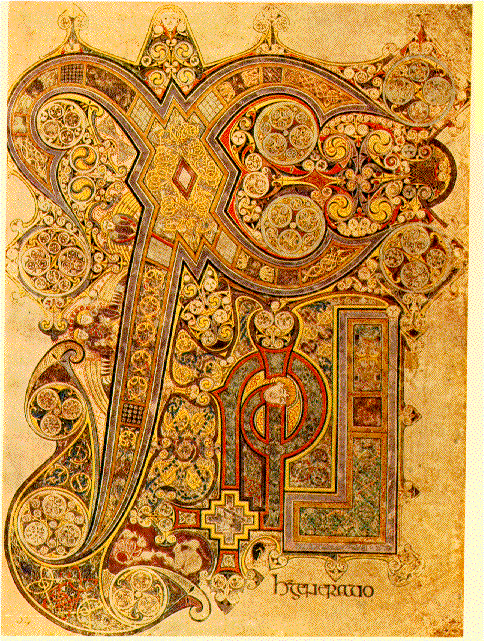
The Philokalia.
An anthology of a thousand years of monastic writing on inner watchfulness, assembled on Mount Athos and printed at Venice in 1782. Translated into Slavonic and then Russian, it escaped the monasteries entirely and turned the Jesus Prayer into a lay practice across the Russian Empire.
The Philokalia is a monastic anthology that escaped into the world. Nikodemos of the Holy Mountain and Makarios of Corinth compiled it on Athos and had it printed in Venice in 1782 — texts from Evagrius, Maximus, Symeon the New Theologian, Gregory of Sinai and Palamas, on the watch kept over one's own thoughts and on the prayer of the heart. Paisius Velichkovsky translated it into Slavonic in 1793, and Theophan the Recluse into Russian in the 1870s and 80s, and at that point a body of instruction written for hesychast monks was in the hands of laypeople across the Russian Empire. The Way of a Pilgrim, an anonymous nineteenth-century Russian account of a wanderer who prays the Jesus Prayer continuously, is the popular fruit of that, and it is the book through which most Westerners have met the practice — including, via Salinger's Franny and Zooey, a large number who had no idea it was Orthodox.
Lord Jesus Christ, Son of God, have mercy on me, a sinner.
The Jesus Prayer, as given throughout the PhilokaliaTwelve words, meant to be said until they say themselves.
The same ground, other faiths
claims that share this one's ideasSign in to open the first thread. Everything here is attributed.