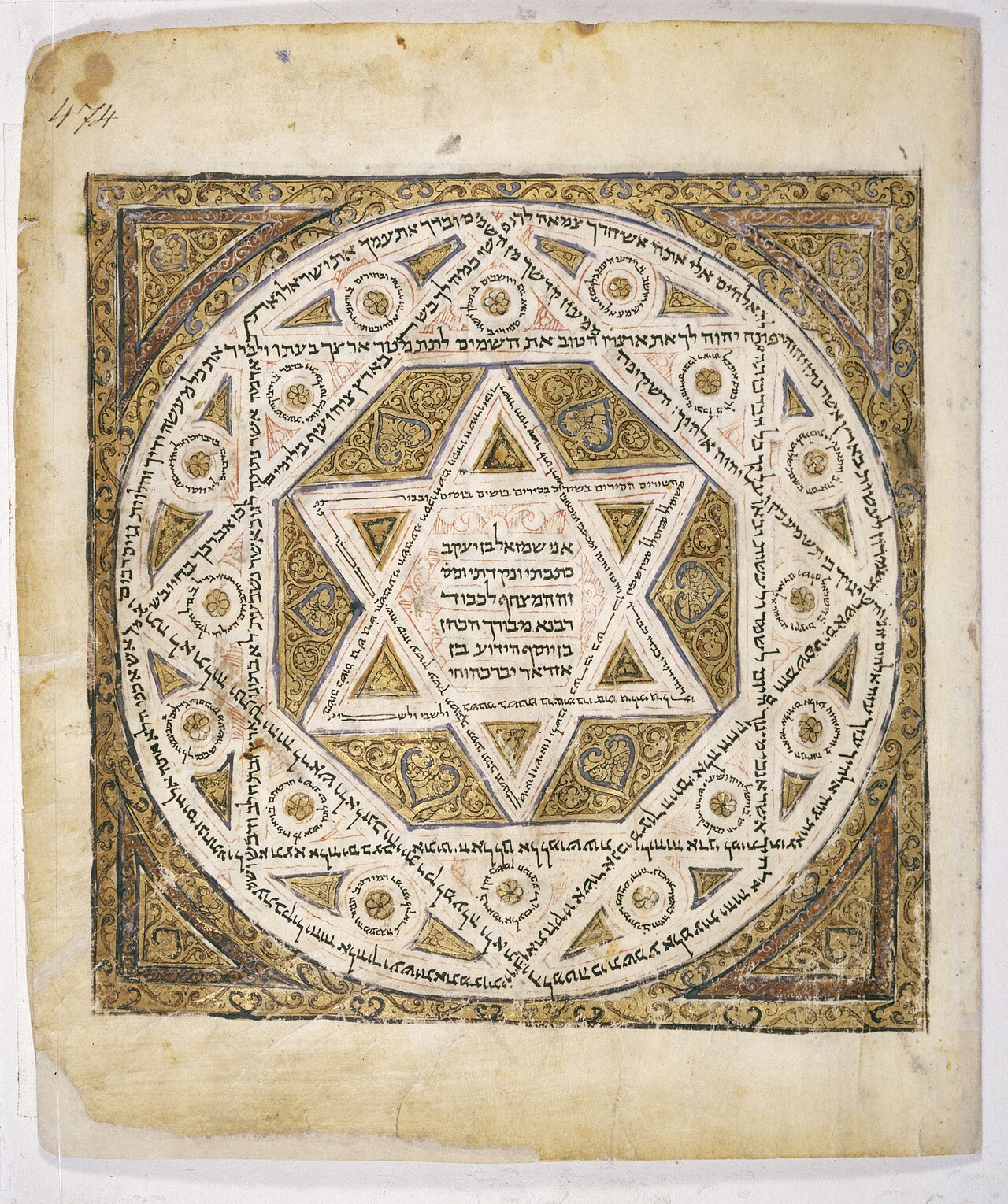
The four who went into the orchard.
Elisha ben Abuya cut the shoots and became Acher, the Other — and his teachings stayed in the Talmud under that name because his student Rabbi Meir would not stop quoting him. Kabbalah was restricted for centuries to married men over forty on the strength of this passage.
The tradition put its own warning label on mysticism and left it in the Talmud. Four sages entered the pardes, the orchard, which the tradition reads as the deepest level of interpretation or as a visionary ascent: Ben Azzai looked and died, Ben Zoma looked and was harmed, Elisha ben Abuya cut the shoots, and Rabbi Akiva entered in peace and departed in peace. Cutting the shoots is understood as heresy or dualism; Elisha became known only as Acher, the Other, and the Talmud tells of him riding a horse on Shabbat alongside his student Rabbi Meir, who walked and kept asking him questions until the boundary of what a Jew may walk. Meir went on quoting him, and the tradition kept the teachings of an apostate in the corpus because they were true. On the strength of this passage, later authorities restricted kabbalah to married men over forty with a full command of Talmud, a restriction Hasidism largely dissolved and which Sephardi communities never applied as strictly.
The same ground, other faiths
claims that share this one's ideasSign in to open the first thread. Everything here is attributed.