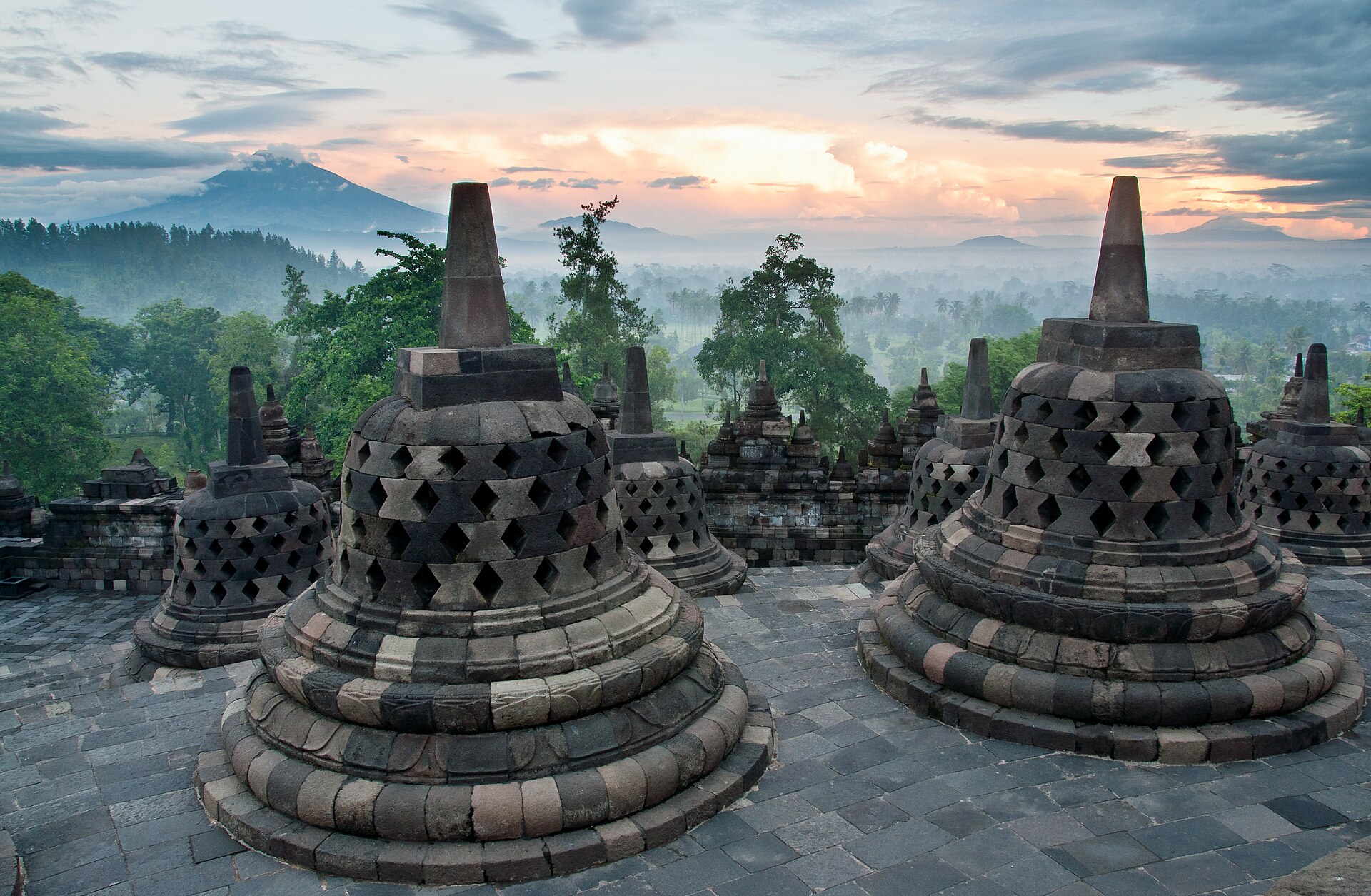
Vassa — the rains retreat.
Three months in which the sangha stops moving: no travel, more sitting, more study. The Buddhist year is built on it, and half the calendar counts from its ending.
The rains retreat is the oldest institution in Buddhism after the sangha itself, and it exists for an unglamorous reason: wandering monks were trampling the planted fields, and lay farmers complained. The Buddha's solution — stay put for three months — accidentally produced everything that followed, because monastics who stop moving build a monastery, and a monastery accumulates a library, students, and eventually a school. Monastic seniority in Theravada is still counted in vassa, not in years. The end of the retreat triggers the year's biggest lay festival and the Kathina robe offering, and in Thailand and Myanmar it is the season a young man ordains temporarily if he is going to.
The same ground, other faiths
rites that share this one's ideasSign in to open the first thread. Everything here is attributed.