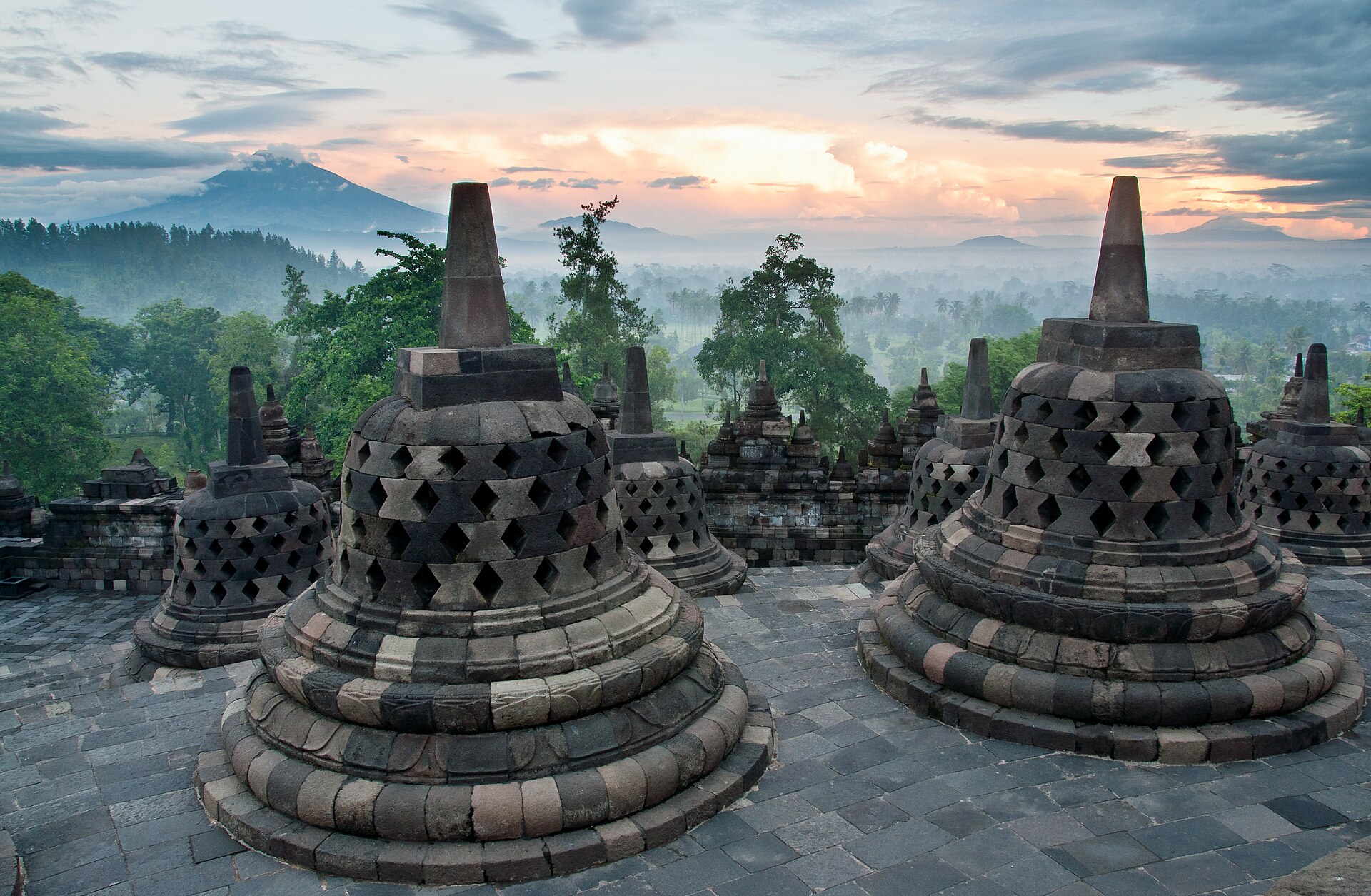
Borobudur at sunrise · Justine Hong · CC BY 2.0

Buddhism

Tradition·Founded c. 480 BCE·est. ~500 million worldwide

Vedic Religion → Buddhism → 3 branches

Branch
Rite of Buddhism

The new year.

Losar in Tibet, Songkran in Thailand, Thingyan in Myanmar: debts cleared, houses swept, buddha-images bathed, monks fed — and then, in the tropics, everyone gets thoroughly soaked.

⏱ annual — at the turn of the year◌ villages, monasteries, and everyone with a bucket
What happensOld debts settled and houses cleaned; images bathed; monks fed first; in Southeast Asia the water gets thrown
What it needsA calendar, a clean house, and tolerance for being soaked
What it aims atThe year cleared and restarted — Losar in Tibet, Songkran in Thailand, the same instinct
Understanding it — context, not catechism: how this rite is held

The Buddhist new year is a cleaning festival everywhere it is kept, though the climate decides the form. In Tibet, Losar means settling debts, scrubbing the house, hanging new prayer flags and a great deal of eating. In Thailand, Myanmar, Laos and Cambodia the same instinct becomes water: buddha-images are bathed, elders have scented water poured respectfully over their hands, and then the streets turn into a multi-day soaking that most participants would not describe as religious at all. Monks are fed first everywhere, before anything else happens, which is the piece that stays constant.

The same ground, other faiths

rites that share this one's ideas
L Lilith — the demon at the crib. Judaism · figure Meet them →
Blessing the water. Christianity Go deeper →
Aqiqah — the first words. Islam Go deeper →
No idols, no omens, no auspicious days. Sikhism · precept Go deeper →
The talisman. Taoism Go deeper →
Purity is restored, not earned. Shinto · core tenet Go deeper →

The conversation

argument stays attached to the rite it is about All discussion →

Sign in to open the first thread. Everything here is attributed.

Built on Hatchable