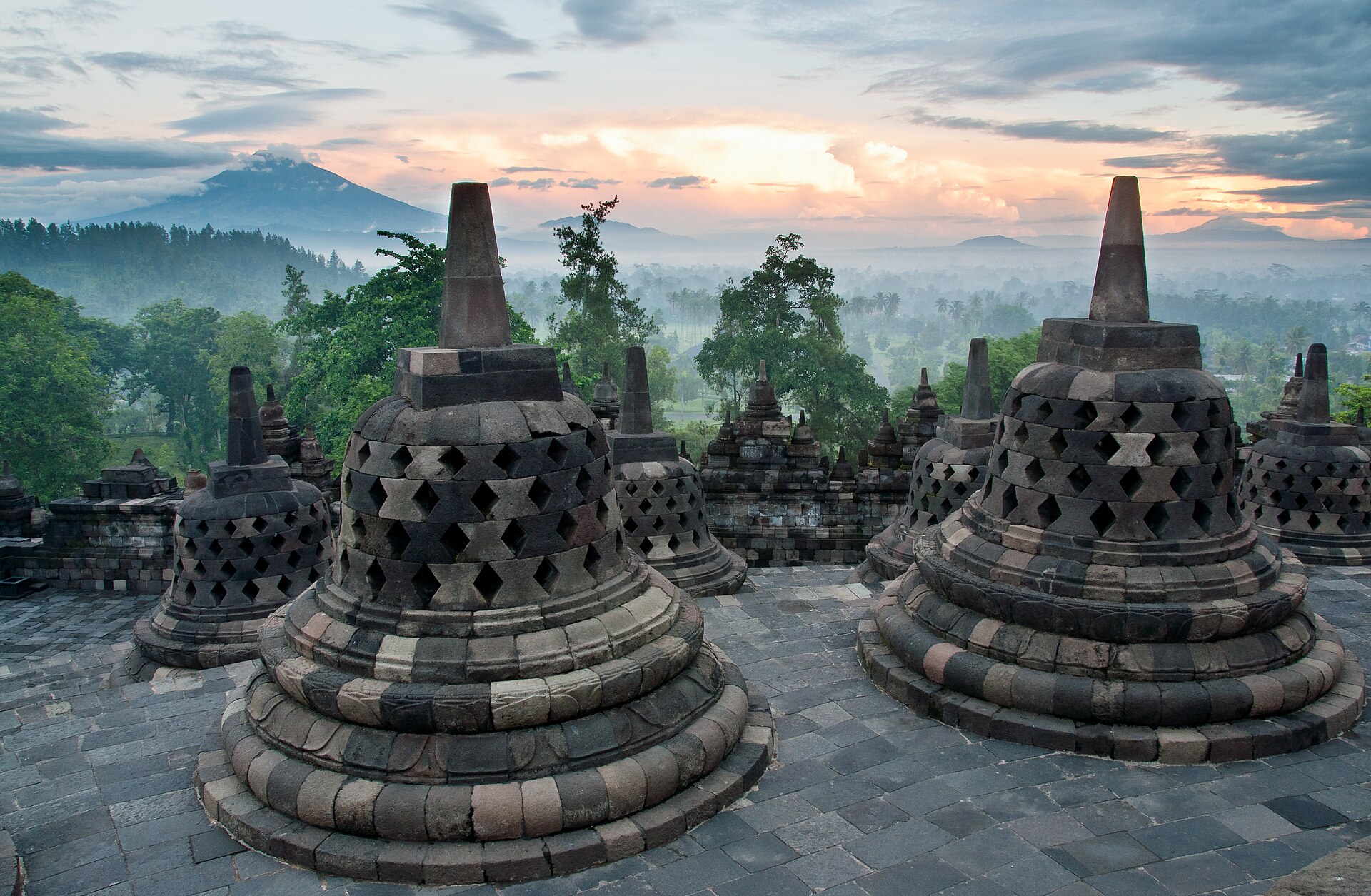
Rigpa — the clear light of mind.
Dzogchen's claim: awareness is already unobscured, and the practice is recognising that rather than constructing anything. Introduced by a teacher directly, and not, traditionally, in writing.
Dzogchen makes the most radical claim in Buddhism: there is nothing to construct, because the nature of mind is already clear, luminous and unobstructed, and every practice that treats awakening as a product to be manufactured is reinforcing the problem. Rigpa is the recognition of that nature — traditionally not something read about but pointed out by a teacher in a direct introduction, in person, when the student is ready. The secrecy is functional rather than precious: the teaching is easy to misunderstand as permission to do nothing, and the tradition insists that recognising the nature of mind and stabilising it are separate jobs, with the second one taking the rest of a life.
The same ground, other faiths
claims that share this one's ideasSign in to open the first thread. Everything here is attributed.