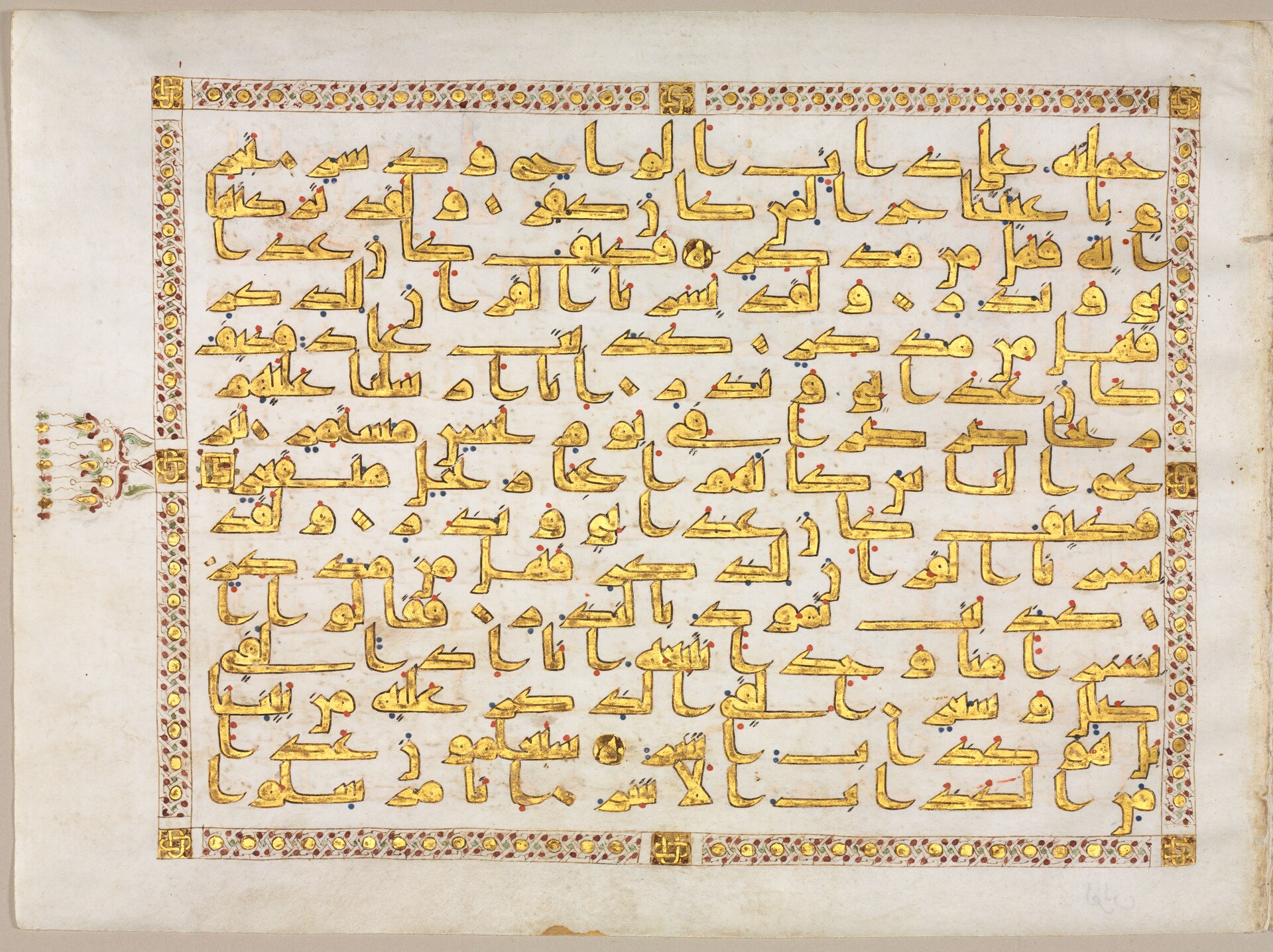
Fana.
The sense of being a separate person doing the remembering drops away. The Sufi map puts baqa after it — subsistence, coming back and being able to function. Jurists watch this territory closely, because it is exactly where al-Hallaj said the sentence that got him executed.
Fana is annihilation: the sense of a separate self doing the remembering dissolves in the remembering. The Sufi map does not stop there, and this is the part usually missed — fana is followed by baqa, subsistence, in which the person returns and functions, and the sober tradition associated with Junayd of Baghdad insists that the return is the goal and that anyone who stays in the state is unfinished rather than advanced. This is not a marginal caution: it is the reason the orders built long apprenticeships under a shaykh, because the states are held to be genuinely destabilising and the tradition has plenty of casualties. Jurists have always watched the territory closely, since it is exactly where al-Hallaj said the sentence that got him executed and where the accusation of claiming divinity becomes available. Al-Ghazali's achievement was to describe these states in language the legal establishment could accept, which is why the Ihya mattered so much.
The same ground, other faiths
claims that share this one's ideasSign in to open the first thread. Everything here is attributed.