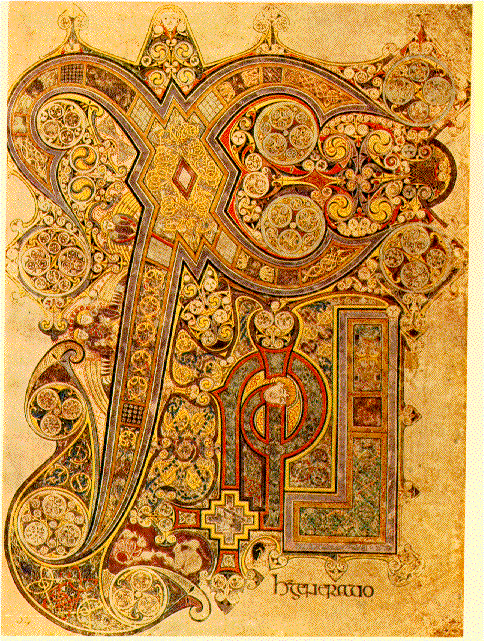
Job.
A good man loses everything on a bet he is not told about. His friends explain, at length, that he must deserve it. God turns up in a storm, tells the friends they were wrong, asks Job sixty unanswerable questions about ostriches and sea monsters, and never explains.
Job is the book that refuses the answer the rest of the tradition keeps reaching for. The frame story has God permitting the disaster to settle a wager with the Accuser, and Job never learns this. Thirty-five chapters of his friends arguing that suffering is deserved are, at the end, explicitly repudiated by God, which makes Job the one biblical book that spends most of its length stating a theology in order to demolish it. The divine speech from the whirlwind answers nothing: it is a torrent of questions about wild goats, ostriches, the storehouses of snow, Behemoth and Leviathan, and its effect is to change the scale of the question rather than to settle it. Christian readers have used it for a theodicy it does not supply. Gregory the Great wrote thirty-five books of allegory on it; Calvin preached 159 sermons; Jung wrote an angry book accusing God of needing to grow up. Its honest reception is that it is the tradition's own permission to complain.
Where were you when I laid the foundation of the earth?
Job 38:4The answer from the whirlwind, which is not an answer.
The same ground, other faiths
claims that share this one's ideasSign in to open the first thread. Everything here is attributed.