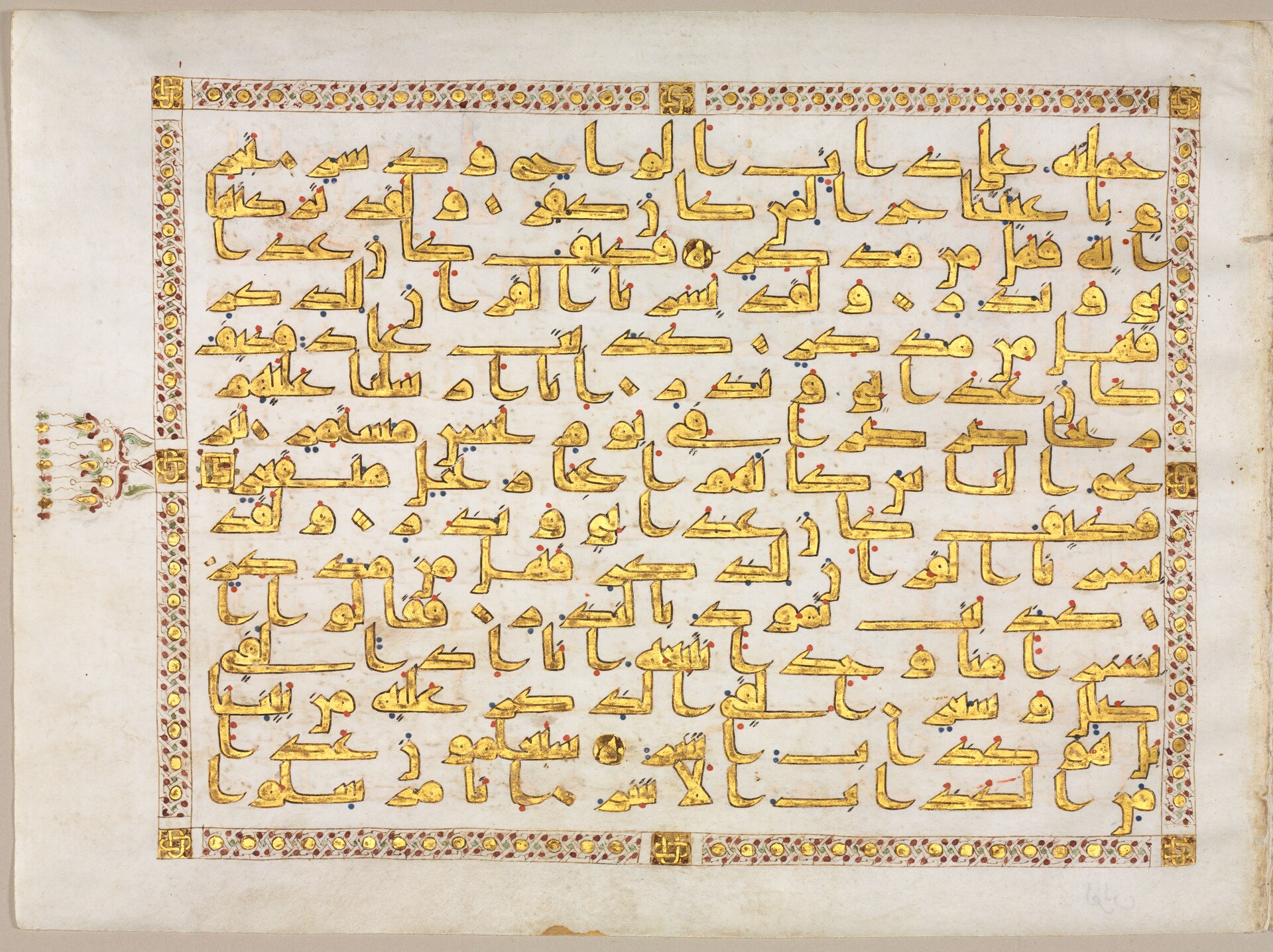
Tawakkul.
Reliance on God, and the tradition spends most of its energy on the distinction from fatalism. The hadith is blunt about it: a man asks whether he should let his camel loose and trust God, and is told to tie the camel and then trust God. The work comes first; the reliance is about what you do with the part you cannot control.
Tawakkul is reliance on God, and the tradition spends most of its energy distinguishing it from passivity, because the two are easy to confuse. The definitive text is a short hadith: a man asks whether he should leave his camel untied and trust God, and is told to tie it and then trust God. Umar is reported to have rebuked people who sat in the mosque calling themselves reliant, saying the one who relies is the one who puts seed in the ground. The theological content is a division of labour — you are responsible for the means, God for the outcome — and the psychological content is the specific relief of having done what you can and being able to stop carrying the rest. Al-Ghazali devotes a book of the Ihya to it and works through the failure modes carefully, including the person who neglects obvious precautions and calls it faith, and the person who takes every precaution and calls the result their own achievement.
Tie your camel, and then trust in God.
Hadith, Sunan al-Tirmidhi (rendered)The line the tradition uses to separate reliance from fatalism. The work comes first.
The same ground, other faiths
claims that share this one's ideasSign in to open the first thread. Everything here is attributed.