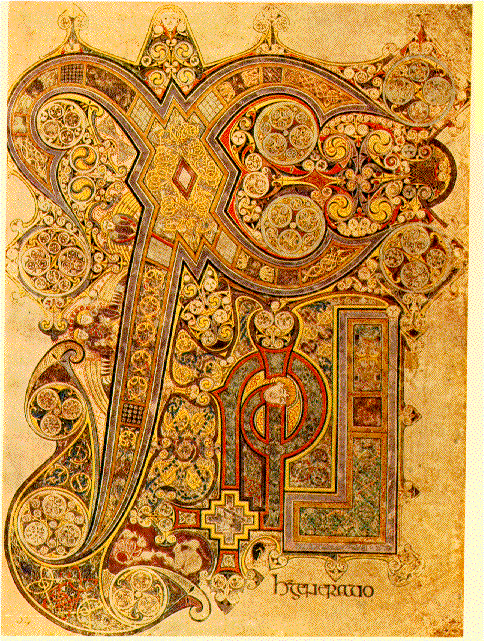
The seven deadly sins.
Not in the Bible. Evagrius listed eight thoughts that trouble desert monks, Gregory the Great cut them to seven, and they became the standard examination of conscience for a thousand years. Pride is first because it is the one that survives the correction of the others.
Not a biblical list. Evagrius Ponticus, a fourth-century monk in the Egyptian desert, catalogued eight thoughts that assail a solitary — including acedia, the noonday listlessness that is not quite sloth and has no good English word. Gregory the Great reduced them to seven around 590, and the scheme became the standard examination of conscience in the medieval West, paired with seven opposing virtues. Pride heads the list because it is the sin that survives the correction of the others: the man who has beaten greed and lust and gluttony has a new thing to be proud of. The Eastern churches kept Evagrius's eight and never developed the Western apparatus of confession manuals around them, which is one reason the seven deadly sins feel like a Catholic and a literary inheritance rather than a shared Christian one.
The same ground, other faiths
claims that share this one's ideasSign in to open the first thread. Everything here is attributed.