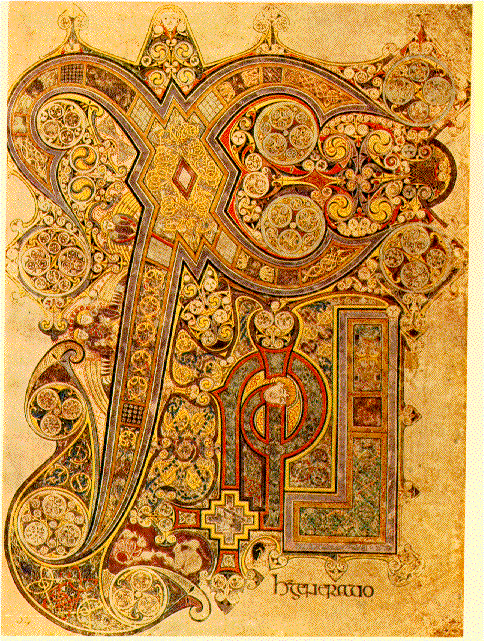
Book of Kells, Chi Rho folio, c. 800 · public domain

Christianity

Tradition·Founded 30 CE·est. ~2.4 billion worldwide

Judaism → Christianity → 11 branches

Branch
Precept of Christianity

The Beatitudes.

Blessed are the poor in spirit, the mourners, the meek, the merciful, the peacemakers — the Sermon on the Mount's inverted honors list, read as the kingdom's constitution.

What it asksBless the poor in spirit, the mourning, the meek, the hungry for justice, the merciful, the pure, the peacemakers, the persecuted
Who it bindsRead as description before prescription — who the kingdom already favors
Where it bitesWhether these are entry requirements or consolations is a live exegetical divide
Understanding it — context, not catechism: how this passage is held

The Beatitudes open the Sermon on the Mount as a list of who is already blessed, in the present tense, with the blessing's content mostly in the future. That grammar is why interpreters divide: they may be entry criteria for the kingdom, consolation for those it favors, or a portrait of the character it produces. Luke's parallel sharpens the edge — his version says simply "blessed are you poor," with matching woes for the rich.

From the sources — the passages this rests on; concise renderings, cited

Blessed are the peacemakers, for they shall be called children of God.

Matthew 5:9

One of eight — the list that opens the Sermon on the Mount.

The same ground, other faiths

claims that share this one's ideas
Ahimsa — do no harm. Hinduism Go deeper →
Compassion extends to all sentient beings. Buddhism · core tenet Go deeper →
M Marudevi on the elephant. Jainism · figure Meet them →
Guard the tongue. Judaism Go deeper →
Mercy outruns wrath. Islam · core tenet Go deeper →
Bhai Kanhaiya's water. Sikhism · story Read it in full →

The conversation

argument stays attached to the claim it is about All discussion →

Sign in to open the first thread. Everything here is attributed.

Built on Hatchable